

Hey there! As a supplier of Low Cement Castable, I've had my fair share of experiences dealing with all sorts of packaging requirements. In this blog, I'm gonna walk you through what these requirements are and why they matter so much.
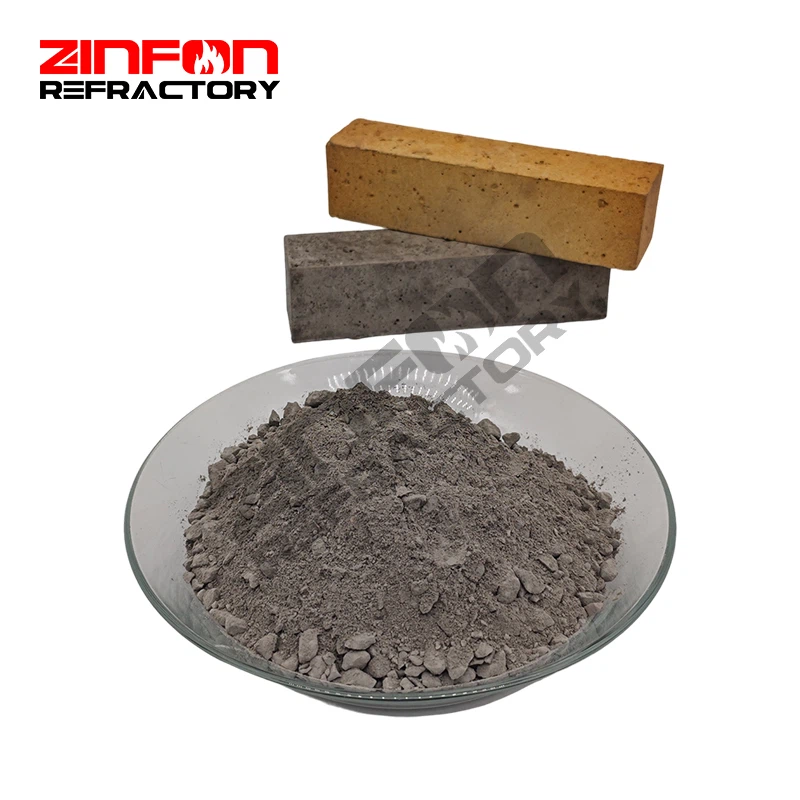
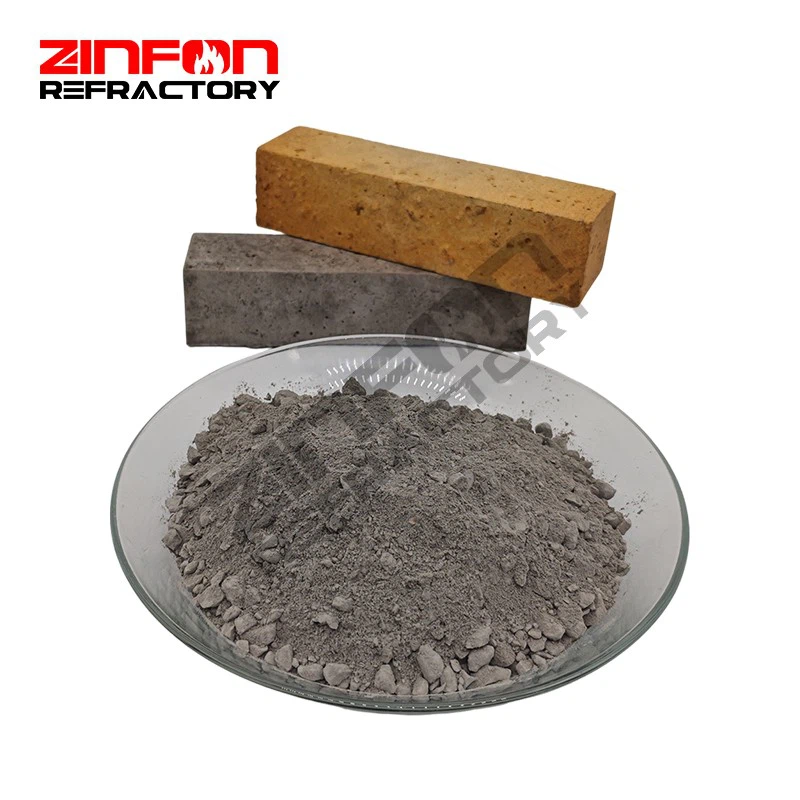
First off, let's understand what Low Cement Castable is. It's a high - performance refractory material that's widely used in various industries, like steel, cement, and glass. Its low cement content gives it excellent thermal and mechanical properties, making it a top choice for many applications. But to keep its quality intact during transportation and storage, proper packaging is a must.
Protection Against Moisture
One of the most crucial packaging requirements for Low Cement Castable is protection against moisture. You see, moisture can have a huge impact on the performance of this material. When it gets wet, the cement in the castable can start to react prematurely, which can mess up its setting time and strength.
To prevent this, we usually use moisture - resistant bags. These bags are made of special materials that can keep the moisture out. For example, we often use laminated polyethylene bags. The polyethylene layer acts as a barrier, preventing water vapor from getting inside the bag. And on top of that, we sometimes add a desiccant packet inside the bag to absorb any small amount of moisture that might still find its way in.
Durability of Packaging
The packaging also needs to be durable enough to withstand the rigors of transportation and handling. Low Cement Castable is a heavy material, and during loading, unloading, and shipping, the packages can get bumped around a lot. If the packaging isn't strong enough, it can break open, leading to product loss and potential safety hazards.
We use high - quality woven polypropylene bags for most of our products. These bags are tough and can handle a fair amount of stress. They have good tear resistance and can hold up well even when stacked in warehouses or on trucks. And to make them even more robust, we reinforce the seams of the bags. This way, we can be sure that the product will reach our customers in good condition.
Labeling Requirements
Labeling is another important aspect of packaging. The labels on the packages need to provide clear and accurate information about the product. This includes the name of the product (Low Cement Castable, of course), its grade, batch number, and the date of manufacture.
The grade information is crucial because different grades of Low Cement Castable have different properties and are suitable for different applications. For example, some grades are designed for high - temperature applications, while others are better for less demanding environments. The batch number helps us and our customers to track the product in case there are any quality issues. And the date of manufacture is important because the shelf life of Low Cement Castable is limited.
We also include safety instructions on the labels. Since Low Cement Castable contains some chemicals, it's important to let the users know how to handle it safely. This might include wearing protective gear like gloves and masks when handling the product.
Compatibility with Storage Conditions
The packaging should be compatible with the storage conditions. Low Cement Castable is usually stored in warehouses before it's shipped to the end - users. These warehouses can have different temperature and humidity levels.
The packaging we use is designed to perform well under a wide range of storage conditions. For example, in hot and humid climates, the moisture - resistant bags we use can still keep the product dry. And in cold climates, the bags won't become brittle and break easily.
Environmental Considerations
In today's world, environmental considerations are also important. We try to use packaging materials that are recyclable. The woven polypropylene bags we use can be recycled, which reduces the environmental impact. And we're always looking for new and more sustainable packaging solutions.
Now, let's talk a bit about some related products. If you're interested in other types of refractory castables, we also offer Chromium Corundum Castables, Baking - free Anti - Explosion Castables, and Steel Fiber Refractory Castables. These products also have their own unique packaging requirements, but the principles of protection, durability, and proper labeling still apply.
In conclusion, proper packaging of Low Cement Castable is essential to maintain its quality and ensure its safe transportation and storage. If you're in the market for Low Cement Castable or any of our other refractory products, don't hesitate to reach out to us for more information. We're here to help you find the right product and make sure it's packaged to meet your needs. Whether you're a small - scale user or a large industrial client, we've got the expertise and the products to serve you. So, let's start a conversation and see how we can work together.
References
- Refractory Handbook: A Comprehensive Guide to Refractory Materials and Their Applications
- Industry Standards for Packaging of Refractory Products