

Hey there! As a supplier of Corundum Castables, I often get asked if these bad boys can be used in the cement industry. Well, let's dig into this topic and find out!
First off, let's talk a bit about what Corundum Castables are. Corundum is a super hard mineral, mainly made up of aluminum oxide. Castables are refractory materials that can be poured or cast into different shapes, kind of like concrete but with way better heat - resistant properties.
In the cement industry, high - temperature conditions are the norm. Cement kilns, for example, can reach temperatures of up to 1450°C. That's seriously hot! And this is where Corundum Castables come in handy. Their high alumina content gives them excellent thermal stability. They can withstand those extreme temperatures without losing their shape or integrity.
One of the key advantages of using Corundum Castables in the cement industry is their wear resistance. In a cement plant, there's a lot of abrasion going on. Raw materials are constantly being moved around, and the equipment is subject to a lot of wear and tear. Corundum Castables have a high hardness, which means they can resist the abrasion caused by the movement of cement raw materials and clinker. This helps to extend the lifespan of the refractory lining in the kilns and other equipment, reducing the frequency of repairs and replacements.
Another great thing about Corundum Castables is their chemical resistance. Cement production involves various chemical reactions. There are alkaline substances in the cement raw materials, and these can be quite corrosive to regular refractory materials. But Corundum Castables are highly resistant to chemical attack. They can stand up to the alkalis and other chemicals present in the cement - making process, ensuring that the refractory lining remains intact and effective.
Now, let's look at some specific types of Corundum Castables that are particularly suitable for the cement industry.
The [Low Cement Castable](/monolythic - refractory/low - cement - castable.html) is a popular choice. As the name suggests, it has a low cement content. This results in a higher purity of the refractory material, which in turn leads to better thermal and mechanical properties. Low Cement Castables have a dense structure, which enhances their resistance to heat and abrasion. They also have good thermal shock resistance, which is important in a cement kiln where there are rapid temperature changes during the start - up and shutdown processes.
[Self - flow Castables](/monolythic - refractory/self - flow - castables.html) are also great for the cement industry. These castables can flow into place under their own weight, without the need for excessive vibration. This makes them very easy to install, especially in complex shapes and hard - to - reach areas. In a cement plant, there are many irregularly shaped parts of the equipment, and Self - flow Castables can be used to line these areas effectively. They also have good workability and can provide a smooth finish, which is beneficial for the overall performance of the refractory lining.
Then there are the [Baking - free Anti - Explosion Castables](/monolythic - refractory/baking - free - anti - explosion - castables.html). In the cement industry, safety is a top priority. These castables don't require baking before use, which saves time and energy. They also have anti - explosion properties, which is crucial when dealing with high - temperature environments. The risk of explosion can be a real concern in a cement kiln, and these castables help to mitigate that risk.
But like any material, Corundum Castables also have some limitations. One of the main challenges is the cost. Corundum is a relatively expensive raw material, so Corundum Castables tend to be more costly than some other types of refractory materials. However, when you consider the long - term benefits, such as reduced maintenance costs and longer equipment lifespan, the investment can be well worth it.
Another thing to keep in mind is the installation process. While some types like Self - flow Castables are easy to install, proper installation techniques are still crucial. If the castables are not installed correctly, it can lead to problems such as cracking and spalling, which can compromise their performance. So, it's important to work with experienced installers who know how to handle Corundum Castables properly.

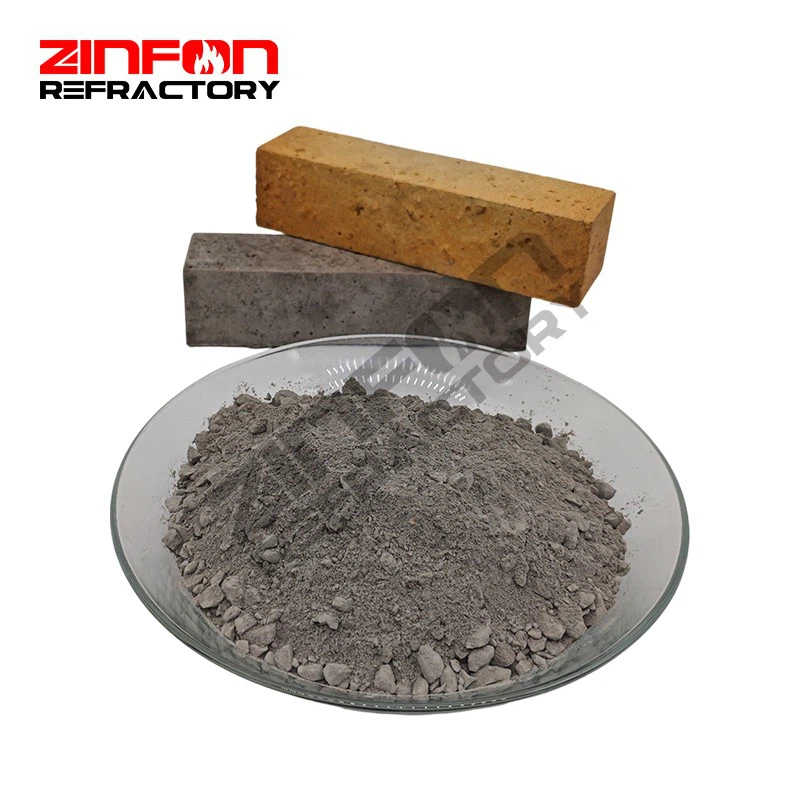
In conclusion, Corundum Castables can definitely be used in the cement industry. Their high - temperature resistance, wear resistance, and chemical resistance make them a great choice for lining cement kilns, pre - heaters, and other equipment. The different types of Corundum Castables, such as Low Cement Castables, Self - flow Castables, and Baking - free Anti - Explosion Castables, offer a range of options to meet the specific needs of the cement production process.
If you're in the cement industry and looking for high - quality refractory solutions, I'd love to talk to you. Whether you're building a new cement plant or looking to upgrade your existing equipment, our Corundum Castables can provide the performance and durability you need. Let's have a chat about how we can meet your requirements and take your cement production to the next level.
References
- "Refractory Materials in the Cement Industry" - A technical report on refractory applications in cement plants.
- "Properties and Applications of Corundum - based Castables" - Research paper on the characteristics and uses of Corundum Castables.