

Hey there! I'm a supplier of Ceramic Fiber Board, and today I wanna chat with you about how to handle this stuff safely. Ceramic Fiber Board is an awesome material with a bunch of great properties, but like any other industrial product, it needs to be handled properly to avoid any potential risks.
First off, let's talk about what Ceramic Fiber Board is. It's a high - performance insulation material made from ceramic fibers. You can check out more details about it on this page: Ceramic Fiber Board. It's widely used in various industries, such as metallurgy, machinery, and building construction, because of its excellent thermal insulation, low heat capacity, and good chemical stability.
Personal Protective Equipment (PPE)
When you're dealing with Ceramic Fiber Board, the first thing you gotta do is gear up with the right personal protective equipment. This is super important to keep you safe from any potential hazards.

- Respirator: One of the main concerns when handling Ceramic Fiber Board is the inhalation of fibers. These fibers can be really tiny, and if you breathe them in, they can cause some serious health problems in the long run. So, always wear a proper respirator that's rated for particulate matter. A N95 respirator is a good choice, but in some cases where the exposure level is high, you might need a more advanced respirator.
- Gloves: Your hands are gonna be in direct contact with the board, so gloves are a must. They protect your skin from irritation and cuts. Go for gloves made of materials that can resist abrasion and are thick enough to prevent the fibers from penetrating.
- Safety Goggles: Ceramic Fiber Board can produce dust and small fiber fragments when you're cutting or handling it. Safety goggles will protect your eyes from these particles, which could cause irritation or even more serious eye injuries.
- Coveralls: Wearing coveralls helps to keep the fibers off your regular clothes and skin. Make sure they fit well and cover your entire body. After you're done handling the board, take off the coveralls carefully to avoid shaking the fibers loose.
Handling and Storage
Now, let's move on to how you should handle and store Ceramic Fiber Board.
- Lifting and Moving: Ceramic Fiber Board can be quite heavy, especially if you're dealing with large sheets. When you're lifting it, use proper lifting techniques. Bend your knees, keep your back straight, and lift with your legs. If the board is too big or heavy for one person to handle, get some help. Don't try to be a hero and risk hurting your back.
- Cutting and Shaping: If you need to cut or shape the board, use the right tools. A sharp utility knife or a saw designed for cutting insulation materials works well. When cutting, do it in a well - ventilated area to minimize the amount of dust you're breathing in. Also, make sure to clean up the dust and debris right away. You can use a vacuum cleaner with a HEPA filter to suck up the fibers.
- Storage: Store Ceramic Fiber Board in a dry, clean place. Moisture can damage the board and reduce its performance. Keep it off the ground on pallets or racks to prevent it from getting wet. If the board gets wet, it might not insulate as well, and it could also start to break down.
Disposal
Proper disposal of Ceramic Fiber Board is also crucial. You can't just throw it in the regular trash.
- Follow Local Regulations: Different areas have different rules about how to dispose of insulation materials like Ceramic Fiber Board. Check with your local environmental agency to find out what the regulations are in your area. They might require you to use a special waste disposal service.
- Sealing the Waste: Before you dispose of the board, seal it in heavy - duty plastic bags. This helps to prevent the fibers from escaping into the environment. Label the bags clearly as containing Ceramic Fiber Board waste.
Comparison with Other Ceramic Fiber Products
Ceramic Fiber Board isn't the only ceramic fiber product out there. There are also Ceramic Fiber Blanket and Ceramic Fiber Paper.
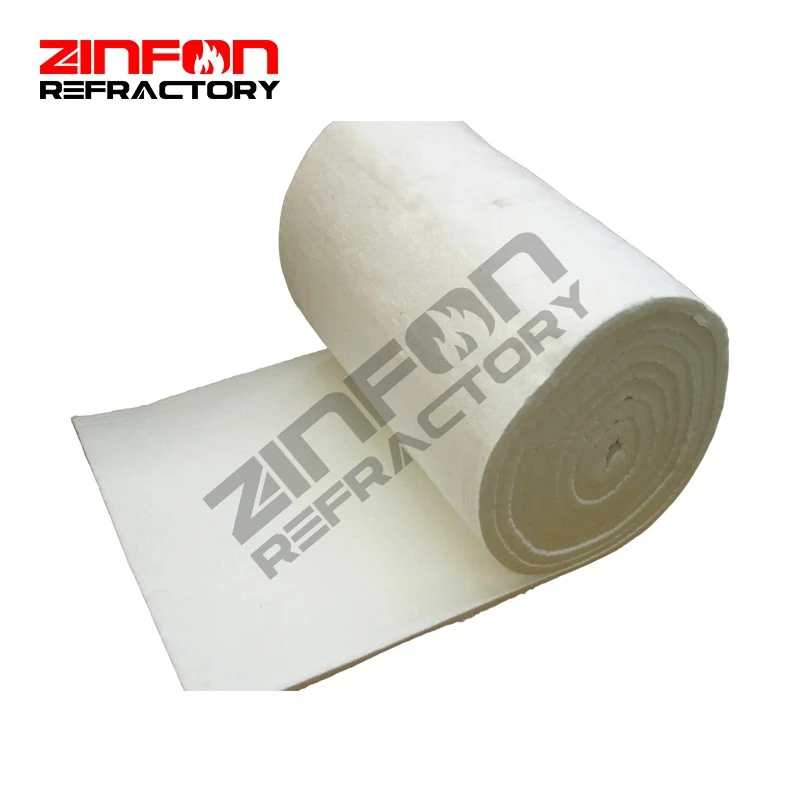
- Ceramic Fiber Blanket: It's more flexible than the board and is often used for applications where you need to wrap around pipes or irregular shapes. The handling safety precautions are similar to those for the board, but because it's more flexible, it might release more fibers when you're bending or manipulating it. So, be extra careful when handling the blanket.
- Ceramic Fiber Paper: This is a thinner and more delicate product. It's usually used for gaskets or in applications where you need a thin layer of insulation. When handling it, be gentle to avoid tearing it and releasing fibers.
Training and Education
If you're working in a workplace where Ceramic Fiber Board is used, make sure all the employees are properly trained. Training should cover the health risks associated with the board, how to use the PPE correctly, and the proper handling, storage, and disposal procedures. Regular safety meetings can also help to keep everyone informed and remind them of the importance of following the safety rules.
Why Choose Our Ceramic Fiber Board
As a supplier, I can tell you that our Ceramic Fiber Board is top - notch. We use high - quality raw materials and advanced manufacturing processes to ensure that our products meet the highest standards. Our board has excellent thermal insulation properties, which means it can save you a lot of energy in your industrial processes. It's also very durable and can withstand high temperatures for a long time.
If you're in the market for Ceramic Fiber Board, or any of our other ceramic fiber products like the blanket or paper, we'd love to have a chat with you. Whether you're a small business or a large industrial company, we can provide you with the right product and the support you need. Just reach out to us, and we'll work together to find the best solution for your insulation needs.
References
- "Industrial Insulation Handbook" - This handbook provides in - depth information about various insulation materials, including Ceramic Fiber Board, and their safety handling procedures.
- Occupational Safety and Health Administration (OSHA) guidelines on handling insulation materials. OSHA has a lot of useful information on protecting workers from the hazards associated with insulation products.