

When it comes to the industrial applications of refractory materials, dry ramming mass stands out as a crucial component in various high - temperature processes. As a reliable supplier of dry ramming mass, I understand the significance of using this material safely. In this blog, I will delve into the essential safety precautions that should be taken when using dry ramming mass.
Understanding Dry Ramming Mass
Dry ramming mass is a monolithic refractory material that is used in a variety of industrial furnaces, ladles, and other high - temperature equipment. It is typically composed of granular refractory aggregates, binders, and additives. Our company offers different types of dry ramming mass, such as Zirconium Corumdum Ramming Mass, Dry Ramming Mass, and Magnesia Alumina Spinel Ramming Mass, each designed to meet specific industrial requirements.
Personal Protective Equipment (PPE)
One of the first and most important safety precautions is the proper use of personal protective equipment. When handling dry ramming mass, workers should wear appropriate clothing to protect their skin. Long - sleeved shirts and long pants made of non - synthetic, breathable materials are recommended. This helps prevent direct contact with the dry ramming mass, which can cause skin irritation.
Safety goggles are essential to protect the eyes from dust particles. Dry ramming mass is often in a granular form, and during the ramming process, fine dust can be generated. These dust particles can cause eye irritation, scratches, or even more serious eye injuries. Workers should ensure that their goggles fit properly and provide a tight seal around the eyes.
Respiratory protection is also crucial. A high - quality dust mask or respirator should be worn to prevent inhalation of the fine dust. Inhaling the dust from dry ramming mass can lead to respiratory problems, such as coughing, wheezing, and in the long - term, more serious conditions like silicosis. The type of respirator used should be appropriate for the level of dust exposure in the work environment.
Gloves are necessary to protect the hands. The ramming process often involves physical contact with the dry ramming mass, and gloves can prevent skin abrasions, cuts, and chemical irritation. Workers should choose gloves that are made of a material that is resistant to abrasion and can withstand the physical stress of the ramming process.
Handling and Storage
Proper handling of dry ramming mass is essential for safety. When transporting the dry ramming mass, it should be stored in suitable containers. These containers should be labeled clearly with the name of the product, its composition, and any relevant safety information. This helps ensure that workers are aware of what they are handling and any potential hazards.
During storage, dry ramming mass should be kept in a dry place. Moisture can affect the quality and performance of the material. If the dry ramming mass gets wet, it may clump together, making it difficult to use and potentially reducing its effectiveness. Additionally, moisture can cause chemical reactions within the material, which may release harmful substances.
The storage area should be well - ventilated. This helps prevent the build - up of dust and any potentially harmful fumes. Adequate ventilation also reduces the risk of fire or explosion, as some of the components in dry ramming mass may be flammable under certain conditions.
Ramming Process
Before starting the ramming process, the work area should be cleaned thoroughly. Any debris, dirt, or other materials on the surface where the dry ramming mass will be applied can affect the quality of the installation. This can lead to uneven ramming, which may compromise the integrity of the refractory lining.
When ramming, workers should use the appropriate tools. The ramming tools should be in good condition and properly maintained. Damaged or worn - out tools can be dangerous, as they may break during the ramming process, causing injuries to the workers.
The ramming process should be carried out with a consistent force. Over - ramming can cause the dry ramming mass to become too compacted, which may lead to cracking or spalling in the refractory lining. Under - ramming, on the other hand, can result in a loose and porous lining, which is less effective at withstanding high temperatures.
Fire and Explosion Safety
Dry ramming mass often contains components that can be flammable under certain conditions. Therefore, fire safety measures should be in place. The work area should be equipped with fire extinguishers that are suitable for the type of fire that may occur. Workers should be trained on how to use these fire extinguishers properly.
Electrical equipment in the work area should be properly grounded. Faulty electrical equipment can generate sparks, which may ignite the dry ramming mass or any flammable substances in the vicinity. All electrical connections should be checked regularly to ensure their safety.
Smoking should be strictly prohibited in the work area. Even a small spark from a cigarette can pose a significant fire risk. Workers should be educated about the importance of this rule and the potential consequences of violating it.
Post - Installation
After the installation of the dry ramming mass, it is important to allow it to dry and cure properly. Rushing this process can lead to problems such as cracking and poor adhesion. During the drying and curing process, workers should monitor the temperature and humidity in the work area to ensure that the conditions are optimal for the material.

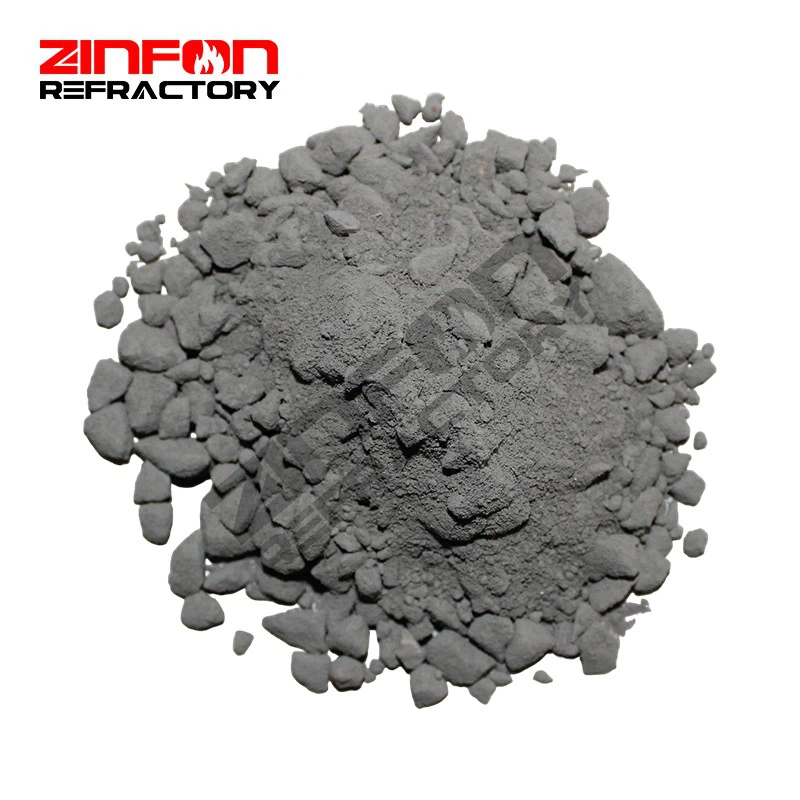
Once the dry ramming mass has been installed and cured, regular inspections should be carried out. These inspections can help detect any signs of damage, wear, or degradation in the refractory lining. Early detection of problems can prevent more serious issues from occurring, such as furnace leaks or structural failures.
Training and Education
All workers involved in the handling, installation, and maintenance of dry ramming mass should receive proper training. This training should cover the properties of dry ramming mass, its potential hazards, and the safety precautions that need to be taken. Workers should also be trained on the correct use of personal protective equipment, handling and storage procedures, and the ramming process.
Regular safety meetings should be held to reinforce the importance of safety and to discuss any new safety information or procedures. These meetings provide an opportunity for workers to ask questions, share their experiences, and learn from each other.
Conclusion
In conclusion, the safe use of dry ramming mass is of utmost importance in industrial applications. By following the safety precautions outlined above, workers can protect themselves from potential hazards and ensure the proper functioning of the refractory lining. As a supplier of dry ramming mass, I am committed to providing high - quality products and also to sharing knowledge about their safe use.
If you are interested in purchasing our dry ramming mass products or have any questions about their safety and application, please feel free to contact us. We are always ready to assist you in finding the right solution for your industrial needs.
References
- "Refractory Materials Handbook", CRC Press
- "Safety in Industrial Furnace Operations", Wiley - Blackwell
- Occupational Safety and Health Administration (OSHA) guidelines on refractory materials handling