

Hey there! As a supplier of Mullite Castables, I've seen firsthand how crucial it is to pick the right product for your specific needs. In this blog, I'll share some tips on how to choose the perfect Mullite Castables for your project.
Understanding Mullite Castables
First off, let's talk a bit about what Mullite Castables are. Mullite is a high - temperature resistant mineral, and castables made from it are used in a variety of industries where high - heat environments are the norm. They're known for their excellent thermal shock resistance, low thermal conductivity, and high refractoriness. This makes them ideal for applications in furnaces, kilns, and other high - temperature processing equipment.
Consider the Application
The most important factor when choosing Mullite Castables is the application. Different industries and processes have different requirements. For example, if you're in the steel industry, your furnaces operate at extremely high temperatures, often above 1500°C. In this case, you need Mullite Castables with high refractoriness and good slag resistance. The slag in steel - making can be very corrosive, so the castables need to be able to withstand its chemical attack.
On the other hand, if you're in the ceramic industry, the temperature requirements might be a bit lower, but you might need castables with better thermal shock resistance. Ceramics are often fired in cycles, which means the temperature in the kiln goes up and down. The castables need to be able to expand and contract without cracking during these temperature changes.
Temperature Resistance
As I mentioned earlier, temperature is a key factor. You need to know the maximum temperature your equipment will reach. Mullite Castables come in different grades, each with a specific temperature rating. Make sure to choose a grade that can handle the highest temperature your application will experience. If you choose a castable with a lower temperature rating, it could start to melt or degrade, which will lead to equipment failure and costly repairs.
Chemical Resistance
In addition to temperature, you also need to consider the chemical environment. Different industries have different chemicals present in their high - temperature processes. For example, in the aluminum industry, there are often fluxes and molten aluminum that can react with the castables. You need Mullite Castables that are chemically resistant to these substances. Otherwise, the castables will be corroded, reducing their lifespan and potentially contaminating your product.
Physical Properties
The physical properties of Mullite Castables also matter. You need to consider factors like density, porosity, and strength. A higher - density castable is generally more durable and has better resistance to abrasion. However, it might also have a higher thermal conductivity, which could be a drawback if you're trying to conserve heat.

Porosity is another important factor. A castable with low porosity is less likely to absorb chemicals and moisture, which can improve its chemical resistance and durability. Strength is also crucial, especially in applications where the castables will be subject to mechanical stress, such as in a vibrating kiln or a furnace with moving parts.
Installation and Maintenance
When choosing Mullite Castables, you should also think about the installation and maintenance process. Some castables are easier to install than others. For example, there are pre - mixed castables that you can simply pour into place, while others require more complex mixing and application techniques.
Maintenance is also important. Some castables are more forgiving when it comes to minor damage and can be easily repaired, while others might need to be completely replaced if they're damaged. You want to choose a castable that fits your installation capabilities and maintenance resources.
Cost - Effectiveness
Of course, cost is always a consideration. You don't want to overspend on Mullite Castables, but you also don't want to go for the cheapest option that won't meet your requirements. Look for a balance between quality and price. Sometimes, a slightly more expensive castable can actually save you money in the long run because it will last longer and require less maintenance.
Quality and Supplier Reputation
Finally, make sure to choose a high - quality product from a reputable supplier. A good supplier will be able to provide you with detailed technical information about their Mullite Castables, including test results and performance data. They should also offer good customer service and support, in case you have any questions or run into problems during the installation or use of the castables.
As a Mullite Castables supplier myself, I can attest to the importance of these factors. We've worked with many customers in different industries, and we always try to help them choose the right product for their needs.
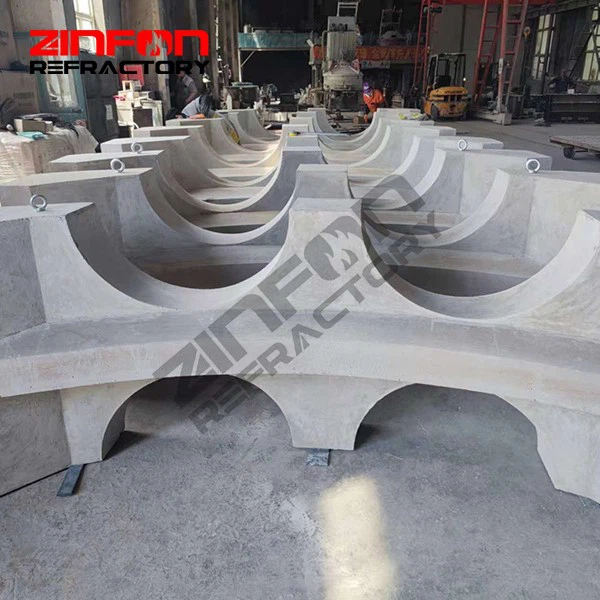
If you're also interested in Refractory Precast Block, it's another great option for high - temperature applications. They offer similar benefits to Mullite Castables and can be a good alternative depending on your specific project.
In conclusion, choosing the right Mullite Castables is a complex process that requires careful consideration of many factors. By understanding your application, temperature and chemical requirements, physical properties, installation and maintenance needs, cost - effectiveness, and the quality of the product and supplier, you can make an informed decision.
If you're in the market for Mullite Castables or have any questions about choosing the right product, don't hesitate to reach out. We're here to help you find the perfect solution for your project. Whether you're a small business or a large industrial operation, we have the expertise and products to meet your needs. Let's start a conversation and see how we can work together to get you the best Mullite Castables for your application.
References
- "Handbook of Refractory Materials"
- Industry reports on high - temperature materials
- Technical data sheets from leading Mullite Castables manufacturers