

Magnesia sand, a key player in the refractory materials industry, is renowned for its high melting point, excellent thermal stability, and chemical resistance. As a leading supplier of magnesia sand, I am often asked about its chemical composition. In this blog post, I will delve into the intricacies of magnesia sand's chemical makeup, exploring its primary components, impurities, and the factors that influence its quality.
Primary Chemical Components
The main constituent of magnesia sand is magnesium oxide (MgO), which typically accounts for a significant proportion of its composition. Magnesium oxide is a white, hygroscopic solid with a high melting point of approximately 2852°C (5166°F). This high melting point makes magnesia sand an ideal material for use in high-temperature applications, such as refractory linings in furnaces, kilns, and incinerators.
The purity of magnesium oxide in magnesia sand is a crucial factor in determining its quality and performance. High-purity magnesia sand, often referred to as dead-burned magnesia, can contain up to 97% or more of MgO. This high purity results in superior thermal and chemical properties, making it suitable for demanding applications in the steel, cement, and glass industries.
In addition to magnesium oxide, magnesia sand may also contain small amounts of other oxides, such as calcium oxide (CaO), silicon dioxide (SiO₂), iron oxide (Fe₂O₃), and aluminum oxide (Al₂O₃). These secondary oxides can have both positive and negative effects on the properties of magnesia sand, depending on their concentration and distribution.

Calcium oxide is a common impurity in magnesia sand, and its presence can affect the refractoriness and hydration resistance of the material. In small amounts, calcium oxide can react with magnesium oxide to form a solid solution, which can improve the strength and stability of the magnesia sand. However, excessive amounts of calcium oxide can lead to the formation of low-melting-point phases, which can reduce the refractoriness of the material and make it more susceptible to corrosion.
Silicon dioxide is another common impurity in magnesia sand, and its presence can also have a significant impact on the material's properties. In small amounts, silicon dioxide can react with magnesium oxide to form a protective layer on the surface of the magnesia sand, which can improve its resistance to corrosion and oxidation. However, excessive amounts of silicon dioxide can lead to the formation of low-melting-point silicate phases, which can reduce the refractoriness of the material and make it more prone to cracking and spalling.
Iron oxide and aluminum oxide are also present in magnesia sand in varying amounts, and their effects on the material's properties depend on their oxidation state and distribution. In general, iron oxide can act as a flux, reducing the melting point of the magnesia sand and making it more fluid at high temperatures. Aluminum oxide, on the other hand, can improve the strength and thermal stability of the magnesia sand, but excessive amounts can also lead to the formation of spinel phases, which can reduce the refractoriness of the material.
Factors Influencing Chemical Composition
The chemical composition of magnesia sand is influenced by several factors, including the source of the raw materials, the manufacturing process, and the quality control measures employed during production.
The source of the raw materials is one of the most important factors affecting the chemical composition of magnesia sand. Magnesia sand can be produced from various sources, including magnesite ore, seawater, and brines. Each source has its own unique chemical composition, which can affect the quality and properties of the final product.
Magnesite ore is the most common source of magnesia sand, and it typically contains high levels of magnesium carbonate (MgCO₃). During the manufacturing process, the magnesite ore is calcined at high temperatures to convert the magnesium carbonate to magnesium oxide. The purity of the magnesite ore and the calcination conditions can have a significant impact on the chemical composition and quality of the resulting magnesia sand.
Seawater and brines are also important sources of magnesia sand, and they typically contain lower levels of magnesium carbonate but higher levels of other salts, such as sodium chloride and calcium chloride. To produce magnesia sand from seawater or brines, the magnesium ions are first precipitated as magnesium hydroxide using a base, such as lime or caustic soda. The magnesium hydroxide is then calcined at high temperatures to convert it to magnesium oxide. The purity of the seawater or brine and the precipitation and calcination conditions can also affect the chemical composition and quality of the resulting magnesia sand.
The manufacturing process is another important factor affecting the chemical composition of magnesia sand. There are several methods for producing magnesia sand, including dead-burning, sintering, and fusion. Each method has its own unique advantages and disadvantages, and the choice of method depends on the specific requirements of the application.
Dead-burning is the most common method for producing high-purity magnesia sand, and it involves calcining the raw materials at temperatures above 1800°C (3272°F) to drive off any remaining carbon dioxide and water and to form a dense, crystalline structure. This process results in a high-purity magnesia sand with excellent thermal and chemical properties.

Sintering is another method for producing magnesia sand, and it involves heating the raw materials at temperatures below the melting point to cause the particles to bond together and form a solid mass. This process results in a lower-purity magnesia sand with a more porous structure, which can be suitable for some applications.
Fusion is a less common method for producing magnesia sand, and it involves melting the raw materials at high temperatures to form a liquid, which is then cooled and solidified to form a glassy or crystalline structure. This process results in a high-purity magnesia sand with a very dense structure, which can be suitable for applications requiring high strength and thermal stability.
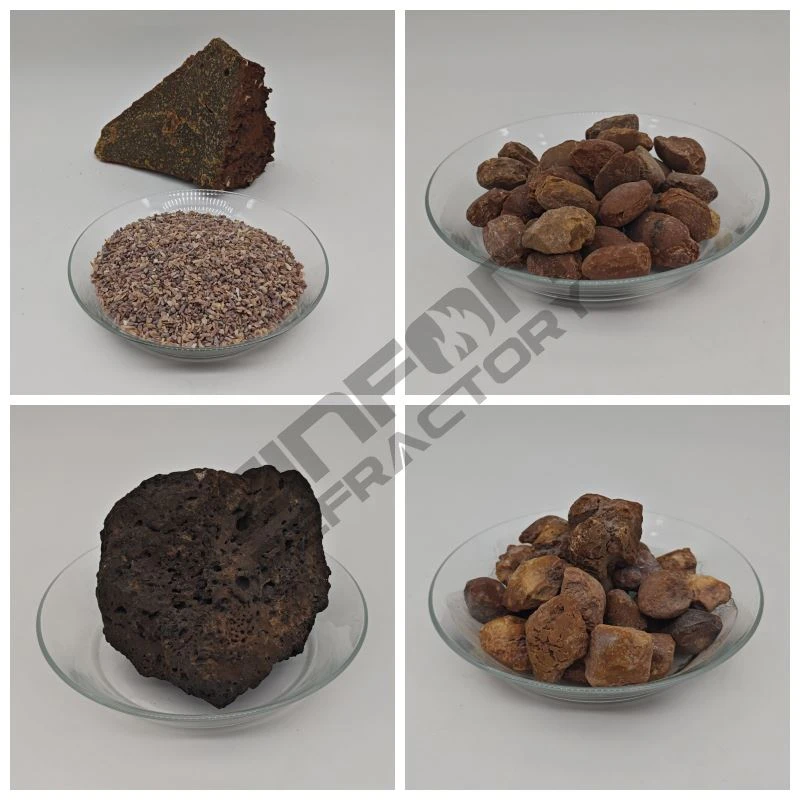
Quality control measures are also essential for ensuring the consistency and quality of magnesia sand. During the manufacturing process, samples of the raw materials and the final product are regularly tested to ensure that they meet the required specifications. These tests typically include chemical analysis, physical testing, and microscopy to determine the chemical composition, particle size distribution, density, and other properties of the magnesia sand.
Applications of Magnesia Sand
Magnesia sand is widely used in a variety of industries, including steel, cement, glass, and ceramics, due to its excellent thermal and chemical properties. In the steel industry, magnesia sand is used as a refractory lining in basic oxygen furnaces, electric arc furnaces, and ladles to protect the furnace walls from the high temperatures and corrosive slag generated during the steelmaking process. In the cement industry, magnesia sand is used as a raw material in the production of Portland cement to improve the strength and durability of the cement. In the glass industry, magnesia sand is used as a flux to lower the melting point of the glass and to improve its chemical resistance. In the ceramics industry, magnesia sand is used as a raw material in the production of high-temperature ceramics, such as alumina corundum Alumina Corundum, to improve their strength and thermal stability.
Conclusion
In conclusion, magnesia sand is a complex material with a unique chemical composition that plays a crucial role in its performance and applications. The primary component of magnesia sand is magnesium oxide, which provides its high melting point and excellent thermal stability. However, the presence of other oxides, such as calcium oxide, silicon dioxide, iron oxide, and aluminum oxide, can also have a significant impact on the properties of magnesia sand. The chemical composition of magnesia sand is influenced by several factors, including the source of the raw materials, the manufacturing process, and the quality control measures employed during production.
As a leading supplier of magnesia sand Magnesia Sand, we are committed to providing our customers with high-quality products that meet their specific requirements. Our magnesia sand is produced using state-of-the-art manufacturing processes and strict quality control measures to ensure its consistency and reliability. Whether you are in the steel, cement, glass, or ceramics industry, we have the expertise and resources to provide you with the right magnesia sand solution for your application.
If you are interested in learning more about our magnesia sand products or would like to discuss your specific requirements, please do not hesitate to contact us. We look forward to the opportunity to work with you and to provide you with the best refractory raw materials and Refractory Chemicals solutions.
References
- "Refractories Handbook" by P. V. Ramana Rao and S. K. Chatterjee
- "Magnesia Refractories: Properties, Applications, and Production" by V. I. Pokrovsky
- "High-Temperature Materials and Technology" by Y. Zhang and J. S. Reed