

Silica bricks are a type of refractory material widely used in various high - temperature industrial applications, such as glass furnaces, coke ovens, and steel - making processes. As a silica brick supplier, understanding the packaging forms of silica bricks is crucial for ensuring their safe transportation and storage. In this blog, we will explore different packaging forms of silica bricks and their advantages.
Wooden Crates
Wooden crates are one of the most traditional and commonly used packaging forms for silica bricks. They offer several benefits. Firstly, wood is a relatively strong and durable material. It can withstand a certain amount of impact and pressure during transportation. When silica bricks are packed in wooden crates, they are protected from being damaged by external forces. For example, during long - distance shipping, the crates can prevent the bricks from colliding with each other or with other objects in the cargo hold.
Secondly, wooden crates are customizable. They can be designed to fit the specific size and quantity of silica bricks. Whether you have standard - sized silica bricks or special - shaped ones, wooden crates can be made accordingly. This customization ensures that the bricks are tightly packed, reducing the risk of movement inside the crate.
However, wooden crates also have some drawbacks. Wood is susceptible to moisture, which can cause the wood to rot over time. If the silica bricks are exposed to a humid environment for a long time in a wooden crate, it may affect the quality of the bricks. Additionally, wooden crates are relatively heavy, which can increase the overall transportation cost.
Plastic Wrapping
Plastic wrapping is another popular packaging option for silica bricks. There are different types of plastic films that can be used for this purpose, such as polyethylene (PE) and polypropylene (PP). Plastic wrapping has several advantages. One of the main benefits is its moisture - proof property. Plastic films can effectively prevent moisture from reaching the silica bricks, which is especially important for protecting the bricks from humidity - related damage.
Plastic wrapping is also lightweight, which helps to reduce the transportation cost. It is easy to apply and can be quickly wrapped around the silica bricks. Moreover, plastic wrapping is transparent in most cases, which allows for easy visual inspection of the bricks without the need to open the package. This is convenient for quality control during transportation and storage.
On the other hand, plastic wrapping may not provide as much protection against physical impact as wooden crates. If the bricks are subjected to a strong impact during transportation, the plastic film may tear, and the bricks could be damaged. Also, plastic is not an environmentally friendly material, and improper disposal of plastic wrapping can cause environmental problems.
Steel Strapping and Pallets
Combining steel strapping with pallets is a common packaging method for silica bricks. Pallets provide a stable base for the bricks, making them easier to handle with forklifts and other handling equipment. Steel strapping is used to secure the bricks on the pallets, preventing them from shifting during transportation.
This packaging form offers good stability and protection. The pallets distribute the weight of the bricks evenly, reducing the risk of breakage. Steel strapping is strong and can withstand high tension, ensuring that the bricks remain in place. It is also suitable for stacking multiple layers of bricks on top of each other, which maximizes the use of storage space.
However, steel strapping requires special tools for installation and removal, which may increase the labor cost. And pallets need to be properly maintained to avoid damage, such as warping or splintering, which could affect the stability of the packaged bricks.
Corrugated Cardboard Boxes
Corrugated cardboard boxes are a cost - effective packaging option for silica bricks, especially for smaller quantities or samples. Cardboard boxes are lightweight and easy to handle. They can be printed with relevant information about the bricks, such as the type, size, and quantity, which is convenient for identification.
Corrugated cardboard has some shock - absorbing properties, which can provide a certain degree of protection against minor impacts. It is also recyclable, making it an environmentally friendly choice. However, cardboard boxes are not as strong as wooden crates or steel - strapped pallets. They are more vulnerable to water damage, and if exposed to moisture, the cardboard will lose its strength quickly.
Factors Affecting Packaging Selection
When choosing the packaging form for silica bricks, several factors need to be considered.
Transportation Distance and Mode
If the silica bricks are to be transported over a long distance, more robust packaging forms like wooden crates or steel - strapped pallets may be preferred. For short - distance transportation, plastic wrapping or corrugated cardboard boxes may be sufficient. Different transportation modes also have different requirements. For example, sea transportation may expose the bricks to high humidity and rough handling, so moisture - proof and impact - resistant packaging is crucial.
Brick Type and Quantity
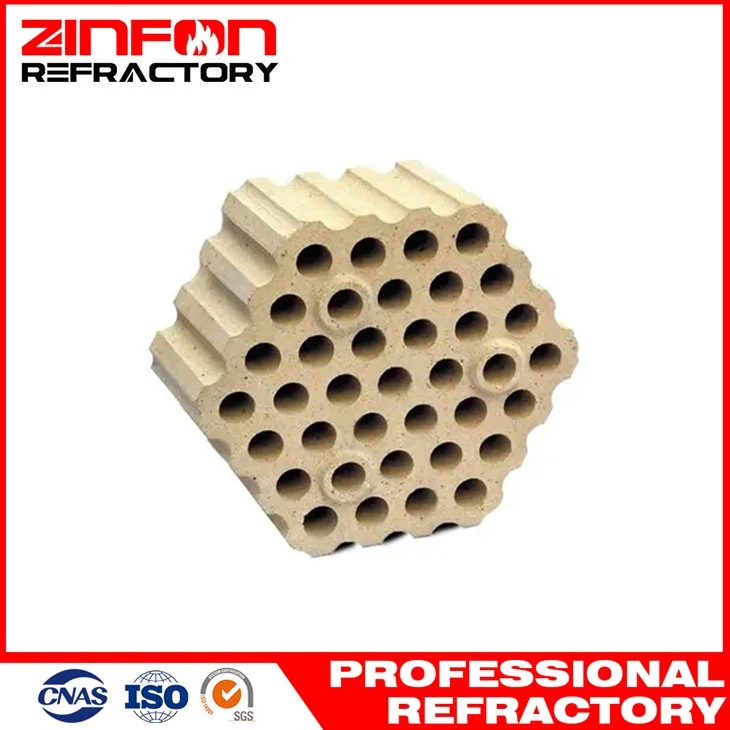
The type of silica brick, such as Silica Refractory Bricks or Fused Silica Brick, can affect the packaging choice. Special - shaped or high - value bricks may require more careful packaging. The quantity of bricks also matters. For large - scale shipments, pallets and steel strapping or wooden crates may be more suitable, while for small orders, cardboard boxes or plastic wrapping may be enough.
Storage Conditions
The storage environment of the silica bricks is an important factor. If the storage area is humid, moisture - proof packaging like plastic wrapping or sealed wooden crates should be used. If the bricks need to be stored for a long time, more durable packaging is recommended to prevent damage over time.

Conclusion
As a silica brick supplier, choosing the appropriate packaging form is essential for ensuring the quality of the bricks during transportation and storage. Each packaging form has its own advantages and disadvantages, and the selection should be based on various factors such as transportation distance, brick type, and storage conditions.
If you are interested in our silica bricks or have any questions about their packaging, we are more than willing to assist you. We can provide professional advice on the most suitable packaging form for your specific needs. Contact us for more information and to start a procurement negotiation.
References
- ASTM International. Standard Specifications for Silica Refractory Materials.
- Perry, R. H., & Green, D. W. (Eds.). Perry's Chemical Engineers' Handbook. McGraw - Hill.
- Refractory Manufacturers Association. Technical Guides on Refractory Packaging and Handling.