


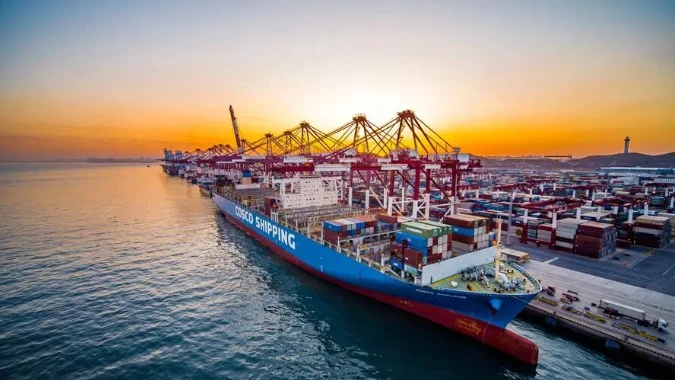
Large‑vessel boilers (main and auxiliary boilers for ocean‑going cargo ships, LNG carriers and cruise ships) operate under severe working conditions. They need to withstand high temperatures of 1000‑1400 °C, resist frequent thermal shock caused by boiler start‑stop cycles, and combat corrosion from combustion flue gas containing sulfur oxides and nitrogen oxides. Meanwhile, lightweight energy‑saving performance and low‑pollution properties complying with IMO asbestos‑free standards are also required. Below are the refractory materials commonly used for key components, classified by application scenario with practical reference and industry‑grade selection logic:
I,Boiler Furnace Lining (Core High‑Temperature Zone)
The furnace is the core zone for fuel combustion with maximum temperatures ranging from 1200‑1400 °C. It has to meet three major requirements: high‑temperature resistance, slag erosion resistance and thermal shock resistance. Commonly‑used materials are as follows:
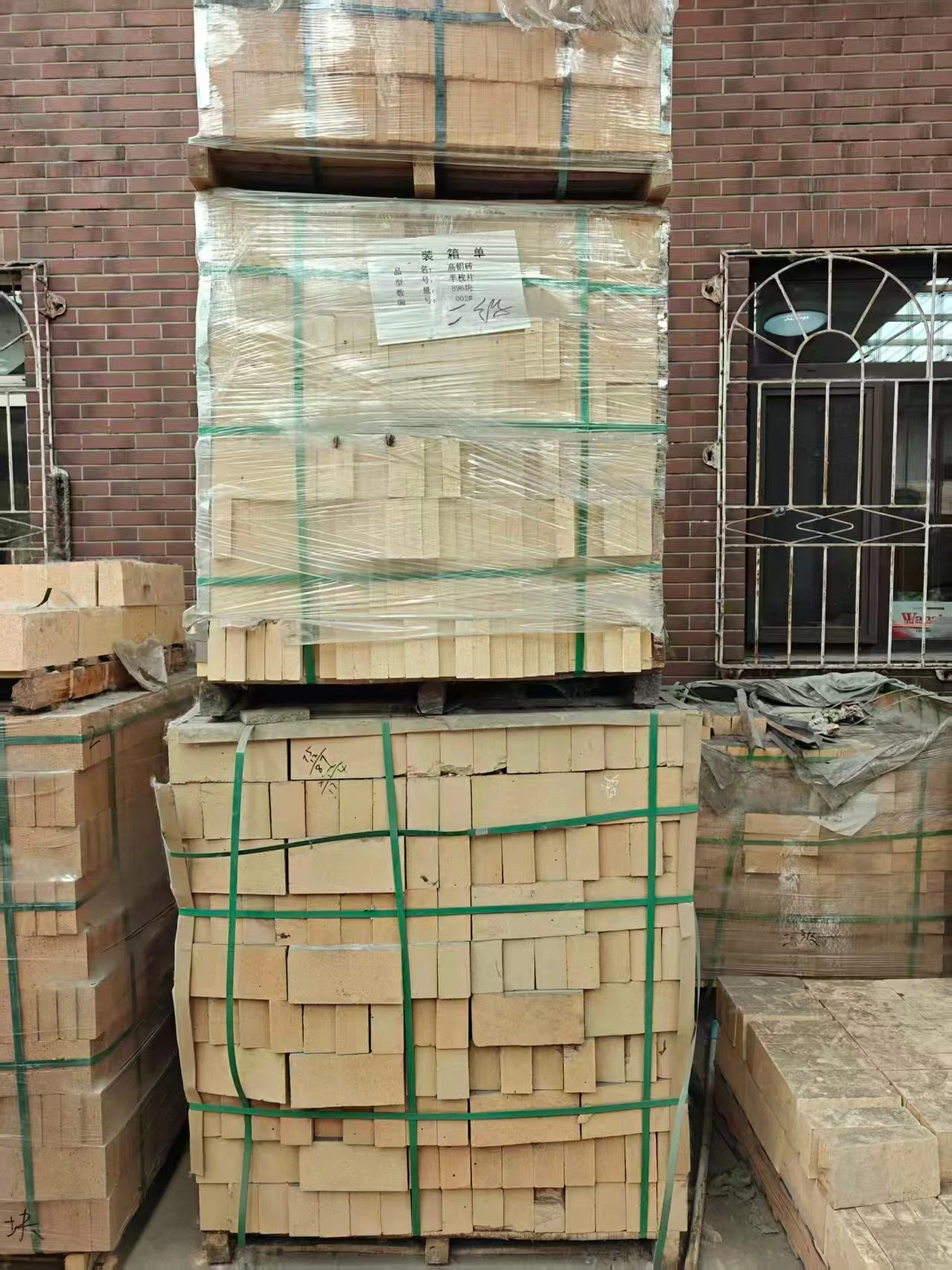
1,High-Alumina Refractory Bricks
Core Composition:Al₂O₃ content: 65%‑85%. Manufactured from high‑grade bauxite, with corundum grains added to improve bulk density.
Key Properties:Refractoriness ≥ 1770 °C; compressive strength ≥ 30 MPa; excellent thermal‑shock resistance (no cracking after ≥15 water‑cooling cycles at 1100 °C). Resists slag erosion generated by coal or heavy‑oil combustion.
Application Scenarios:Directly‑fired areas such as furnace side walls, roof arch bricks and burner surroundings. It is the mainstream lining material for conventional marine boilers, suitable for ordinary oil‑fired and coal‑fired boilers.
Selection Tips:Prioritize low‑creep high‑alumina bricks to prevent furnace deformation caused by volume shrinkage at high temperatures. Shall comply with marine refractory standard GB/T 3003‑2017.
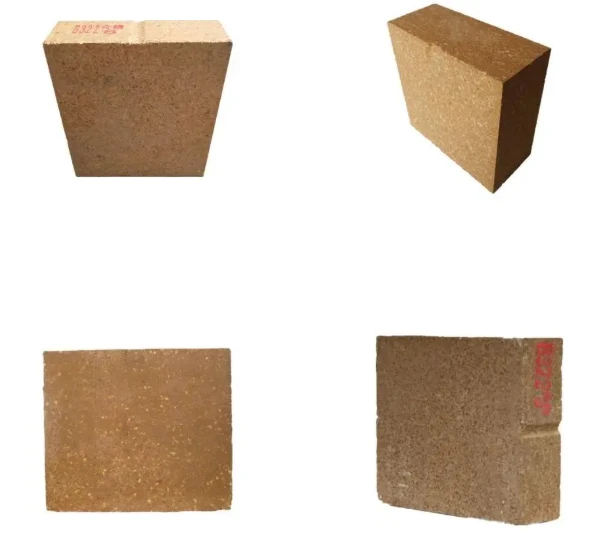
2,Magnesia-Alumina Spinel Composite Bricks
Core Composition:MgO‑Al₂O₃ composite crystalline phase. Cr₂O₃ or ZrO₂ is added to optimize erosion resistance.
Key Properties:Refractoriness ≥ 1800 °C. Its slag resistance is far superior to ordinary high‑alumina bricks. It is particularly resistant to corrosion by sulfur‑bearing flue gas (suitable for heavy‑oil‑fired boilers), with thermal‑shock stability improved by 30 % compared with high‑alumina bricks.
Application Scenarios:Critical furnace sections of high‑end marine boilers (e.g. auxiliary boilers for LNG carriers, main boilers for cruise ships). Suitable for complex service conditions with mixed combustion of clean fuel (LNG) and heavy oil.
Core Advantages:Asbestos‑free with low porosity (≤ 18 %). Prevents the release of harmful substances at high temperatures and complies with environmental standard IMO MSC.307 (88).
II,Boiler Flue / Smoke Tube Thermal Insulation Layer
Flue gas temperature ranges from 800‑1100 °C. The core requirements are thermal insulation for energy saving, corrosion resistance and light‑weight properties, so as to reduce heat loss and protect the boiler outer casing:
1,High-Alumina Poly Light Insulation Bricks
Core Composition:High‑alumina bauxite plus organic foaming agent. A porous structure is formed after high‑temperature sintering, with porosity of 70%‑85%.
Key Properties:Bulk density is only 0.6‑0.8 g/cm³ (approximately 1/3 of that of ordinary high‑alumina bricks). Thermal conductivity ≤ 0.18 W/(m·K), temperature resistance 1300‑1500 °C. It is lightweight and energy‑saving without adding extra load to the boiler.
Application Scenarios:Flue linings and outer‑layer insulation for smoke tubes. Used together with high‑temperature resistant coatings, it can reduce boiler heat dissipation loss by 5%‑8%. For a 100 000‑DWT cargo ship, the annual fuel‑cost saving can exceed 225 000 USD.

2,Ceramic Fiber Blanket/Modules
Core Composition:Aluminum silicate fiber (Al₂O₃ + SiO₂), an asbestos‑free eco‑friendly material. It is available in standard grade (temperature resistance: 1260 °C) and high‑purity grade (temperature resistance: 1400 °C).
Key Properties:Low thermal conductivity (≤ 0.12 W/(m·K)) and good flexibility. It can be directly wrapped around curved surfaces of smoke tubes and flues for easy installation, and features excellent thermal‑shock resistance (suitable for frequent boiler start‑stop cycles).
Application Scenarios:Smoke tube wrapping, flue flange sealing and boiler door gaskets. It serves as a "flexible solution" for marine boiler thermal insulation, especially suitable for compact boiler compartments.
Selection Tips:Hydrophobic ceramic fiber shall be selected to prevent moisture absorption and mildew under humid marine conditions. Hydrophobic rate ≥ 98 %, complying with classification‑society salt‑spray test standard (no corrosion after 1000‑hour test).

III,Boiler Burner / Nozzle Section
The burner nozzle undergoes sharp temperature changes (from ambient temperature to 1300 °C) and must withstand scouring by high‑temperature gas flow. Commonly‑used materials are as follows:
1,Corundum Refractory Castable
Core Composition:White corundum (Al₂O₃ ≥ 95 %) plus pure calcium aluminate cement. It can be cast in‑situ to suit the complex geometry of burner nozzles.
Key Properties:Refractoriness ≥ 1850 °C; compressive strength ≥ 40 MPa; superior erosion‑scouring resistance (capable of withstanding impact from high‑temperature flue gas at flow velocity ≥ 30 m/s). Seamless monolithic structure after installation prevents flue‑gas leakage.
Application Scenarios:Burner nozzle linings and areas around igniters. It is a special refractory material for the combustion system of large marine boilers. Curing and hardening at 800 °C is required after casting.
2,Si₃N₄-Bonded SiC Bricks
Core Composition:SiC + Si₃N₄, fabricated by high‑temperature sintering, belonging to non‑oxide refractories.
Key Properties:Temperature resistance above 1600 °C, high hardness (Mohs hardness 9.5). It features excellent scouring resistance and corrosion resistance, especially suitable for clean‑combustion service conditions of LNG‑fired boilers (no slag formation yet with severe gas‑flow scouring).
Application Scenarios:Critical burner sections of high‑end LNG carriers and polar ice‑breakers. Its service life is 3‑5 times that of ordinary corundum castables, reducing maintenance frequency during long‑distance ocean voyages.

IV,Boiler Steel‑Structure Protection (Auxiliary Refractory Materials)
1,Water-Based Fire-Retardant Coatings
Core Composition:Intumescent flame‑retardant resin plus ceramic microspheres. Solvent‑free with VOC emission ≤ 50 g/L, complying with IMO environmental requirements.
Key Properties:It acts as an anti‑corrosive coating at ambient temperature. When exposed to fire (≥ 600 °C), it expands to form a carbonized insulating layer 10‑15 times its original thickness, with a fire‑resistance rating ≥ 2 hours. It also delivers good resistance to salt‑spray and humid marine‑atmosphere corrosion.
Application Scenarios:Steel structures of boiler outer casings and load‑bearing steel members around boiler compartments. It prevents deformation and collapse of steel structures during fire emergencies and ensures sufficient escape time for crew members.
V,Core Selection Principles (Specific to Marine Boilers)
Compliance Requirements:All materials must obtain certifications from ABS (American Bureau of Shipping), DNV (Det Norske Veritas) or CCS (China Classification Society). They shall be asbestos‑free and low‑polluting, complying with IMO MSC.307 (88) standard, so as to avoid port‑entry bans for exported vessels.
Service‑Condition Adaptation:For oil‑fired boilers, sulfur‑corrosion‑resistant materials (e.g. magnesia‑alumina spinel bricks) shall be prioritized. For LNG‑fired boilers, scouring‑resistant materials (e.g. Si₃N₄‑bonded SiC bricks) are preferred. For auxiliary boilers with frequent start‑stop operations, flexible thermal‑insulation materials (ceramic fibers) shall be selected.
Light‑Weight Consideration:Vessel dead‑weight capacity is limited. Insulation layers shall preferably adopt materials with bulk density ≤ 1.0 g/cm³ (e.g. lightweight insulating bricks, ceramic fibers) to avoid increased navigation energy consumption.
Easy‑Maintenance Requirement:Maintenance is difficult for ocean‑going vessels. Materials with long service life (≥ 5 years) that do not require frequent replacement shall be prioritized to cut maintenance costs during ocean voyages.