

Can ceramic fiber board be used in hydrogen fuel cells? That's a question I've been getting a lot lately as a supplier of Ceramic Fiber Board. I'm here to dig into this topic and share what I know.
First off, let's talk a bit about hydrogen fuel cells. These things are pretty amazing. They generate electricity through a chemical reaction between hydrogen and oxygen, with water being the only by - product. This makes them a super clean and efficient energy source, and they're being used more and more in various applications, from cars to stationary power systems.
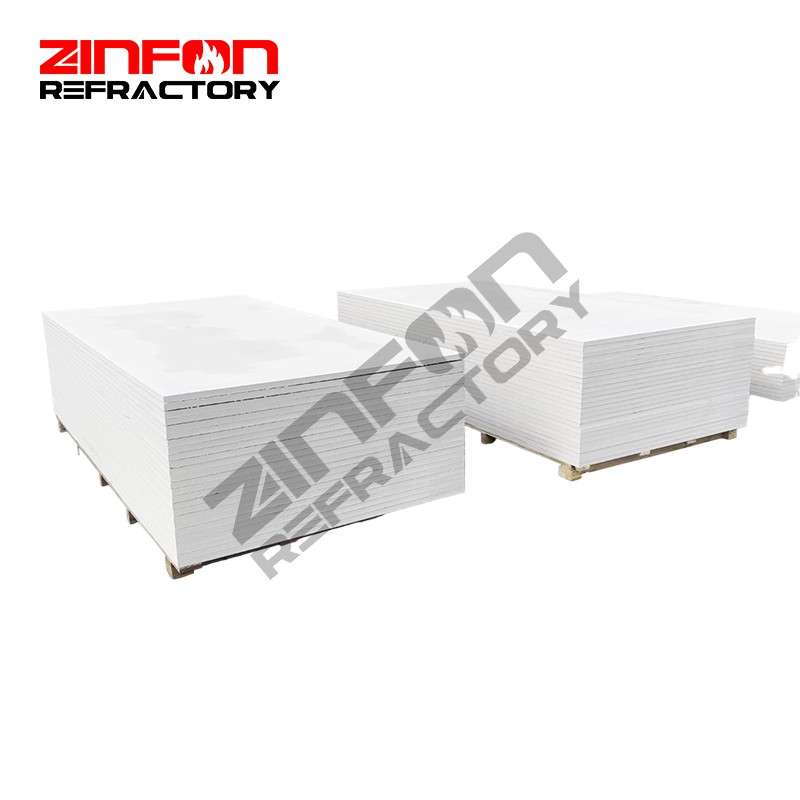
Now, let's get to the star of the show - ceramic fiber board. Ceramic fiber board is made from ceramic fibers, which are known for their excellent thermal insulation properties. It's lightweight, easy to handle, and can withstand high temperatures. I've seen it used in a ton of industries, like steelmaking, glass manufacturing, and even in some home heating systems.
When it comes to using ceramic fiber board in hydrogen fuel cells, there are a few key factors to consider.
Thermal Insulation
One of the main reasons we might think about using ceramic fiber board in hydrogen fuel cells is its thermal insulation capabilities. Hydrogen fuel cells generate heat during operation. If this heat isn't managed properly, it can affect the performance and lifespan of the fuel cell. Ceramic fiber board can help keep the heat in the right place, ensuring that the fuel cell operates at an optimal temperature. For example, in a fuel cell stack, we can use ceramic fiber board to insulate the individual cells from each other and from the outside environment. This helps prevent heat loss and also reduces the risk of overheating in any one part of the stack.
Chemical Compatibility
Another important aspect is chemical compatibility. Hydrogen fuel cells have a complex chemical environment. There are hydrogen gas, oxygen gas, and various electrolytes involved. The ceramic fiber board needs to be able to withstand these chemicals without degrading. Good news is, ceramic materials are generally quite resistant to chemical corrosion. The ceramic fibers in the board are stable in the presence of hydrogen and oxygen, and they can also tolerate a wide range of pH levels. This means that ceramic fiber board can potentially be a long - lasting component in a hydrogen fuel cell system.
Mechanical Strength
Mechanical strength is also crucial. Hydrogen fuel cells are often subject to vibrations, shocks, and pressure changes during operation. The ceramic fiber board needs to be strong enough to hold its shape and stay in place. While ceramic fiber board is not as strong as some metal or composite materials, it has a decent amount of strength for its lightweight nature. We can also use different manufacturing techniques to enhance its mechanical properties. For instance, we can add binders to the ceramic fibers to make the board more rigid and less likely to break or crumble.
Cost - effectiveness
Cost is always a big consideration in any application. Ceramic fiber board is relatively inexpensive compared to some high - tech materials that could potentially be used in hydrogen fuel cells. This makes it an attractive option for manufacturers looking to keep their production costs down. And since it can perform multiple functions like thermal insulation and chemical resistance, it offers good value for money.

However, there are also some challenges when it comes to using ceramic fiber board in hydrogen fuel cells.
Pore Structure
Ceramic fiber board has a porous structure. While this can be an advantage in some cases, like allowing for gas diffusion in certain parts of the fuel cell, it can also be a problem. The pores can trap moisture, which might affect the chemical reactions in the fuel cell. Also, if the pores are too large, they could allow for the leakage of gases or electrolytes. We need to carefully control the pore size and distribution during the manufacturing process to ensure that the ceramic fiber board meets the requirements of the hydrogen fuel cell.
Installation and Integration
Installing ceramic fiber board in a hydrogen fuel cell system can be a bit tricky. The fuel cell design needs to be carefully planned to accommodate the board. And since the board is relatively brittle compared to some other materials, we need to handle it with care during installation to avoid breakage.
Now, let's talk about some related products. If you're interested in other ceramic fiber - based solutions, we also offer Ceramic Fiber Cotton. It's great for filling gaps and providing additional insulation in hard - to - reach places. And Ceramic Fiber Module is a pre - fabricated option that's easy to install and can be customized to fit different fuel cell designs. We also have Calcium Silicate Board, which has its own unique properties and can be used in combination with ceramic fiber board for enhanced performance.
In conclusion, ceramic fiber board has a lot of potential in hydrogen fuel cells. Its thermal insulation, chemical compatibility, and cost - effectiveness make it a promising material. However, we do need to address the challenges related to its pore structure and installation. As a supplier of Ceramic Fiber Board, I'm constantly working on improving the product to make it an even better fit for hydrogen fuel cell applications.
If you're in the business of hydrogen fuel cell manufacturing or research, I'd love to talk to you about how our ceramic fiber board can benefit your projects. Whether you have questions about the product, need samples, or want to discuss custom solutions, don't hesitate to reach out. Let's work together to make hydrogen fuel cells more efficient and reliable.
References
- "Fuel Cell Systems Explained" by James Larminie and Andrew Dicks
- "Ceramic Materials: Science and Engineering" by W. D. Kingery, H. K. Bowen, and D. R. Uhlmann