

Hey there! As a ceramic fiber supplier, I've seen firsthand the importance of getting ceramic fiber boards installed correctly. It's not just about slapping them up and hoping for the best. Proper installation ensures that these boards work as they should, giving you the insulation and protection you need. So, let's dive into how you can make sure your ceramic fiber boards are installed just right.
Preparation is Key
Before you even start thinking about installation, you've got to do some prep work. First off, check out the area where you're gonna put the ceramic fiber boards. Make sure it's clean and free of any debris. Any dirt or dust can mess with the board's adhesion and overall performance. You don't want that!
Measure the space accurately. This is super important because you don't want boards that are too big or too small. You'll need to cut them to fit, and if your measurements are off, you'll end up with gaps or boards that won't fit at all. So, grab a good measuring tape and take your time.
Next, gather all the tools you'll need. You'll probably need a sharp utility knife for cutting the boards, a trowel for applying any adhesives, and some safety gear like gloves and goggles. Safety first, folks!
Choosing the Right Adhesive
The adhesive you use is crucial. You need something that can hold the ceramic fiber boards in place securely. There are different types of adhesives out there, so make sure you pick one that's suitable for ceramic fiber materials. Some adhesives are better for high - temperature applications, while others are more for general use.
When you're applying the adhesive, follow the manufacturer's instructions carefully. Don't skimp on the amount, but also don't go overboard. You want a nice, even layer that will create a strong bond between the board and the surface.
Cutting the Boards
Cutting ceramic fiber boards can be a bit tricky, but with the right technique, it's doable. Use a sharp utility knife and make sure to score the board deeply. Then, break it along the scored line. This will give you a clean, straight cut.
If you need to make more complex cuts, like curves or angles, take your time. You might need to use a jigsaw or a band saw for these. Just be extra careful when using power tools and always wear your safety gear.
Installation Process
Once you've got your boards cut to size and your adhesive ready, it's time to start installing. Begin by applying the adhesive to the back of the board. Spread it evenly across the surface, making sure to cover all the areas that will come into contact with the wall or whatever surface you're attaching it to.
Carefully place the board on the surface and press it firmly. Use a trowel or a flat tool to smooth out the board and make sure it's flush with the surrounding area. If you're installing multiple boards, make sure to leave a small gap between them. This allows for expansion and contraction due to temperature changes.
Sealing the Edges
After the boards are installed, you need to seal the edges. This helps prevent any heat or air leakage. You can use a special ceramic fiber sealant for this. Apply it along the edges of the boards using a caulking gun. Make sure to fill in any gaps or joints thoroughly.
Safety Considerations
Working with ceramic fiber boards can be dangerous if you're not careful. The fibers can be inhaled, which can cause respiratory problems. That's why it's so important to wear a respirator when cutting or installing the boards. Also, make sure to work in a well - ventilated area.
If you get any fibers on your skin, wash the area with soap and water immediately. And always follow the safety guidelines provided by the manufacturer.
Maintenance
Once your ceramic fiber boards are installed, they still need some maintenance. Periodically check the boards for any signs of damage or wear. If you notice any cracks or loose areas, repair them as soon as possible.
You might also want to clean the boards from time to time. Use a soft brush or a vacuum cleaner with a soft brush attachment to remove any dust or debris.
Related Products
If you're interested in other ceramic fiber products, we also offer Ceramic Fiber Cloth and Calcium Silicate Board. These products can be used in conjunction with ceramic fiber boards for even better insulation and protection.
Conclusion
Proper installation of ceramic fiber boards is essential for getting the most out of these products. By following these steps, you can ensure that your boards are installed correctly and will provide long - lasting performance.
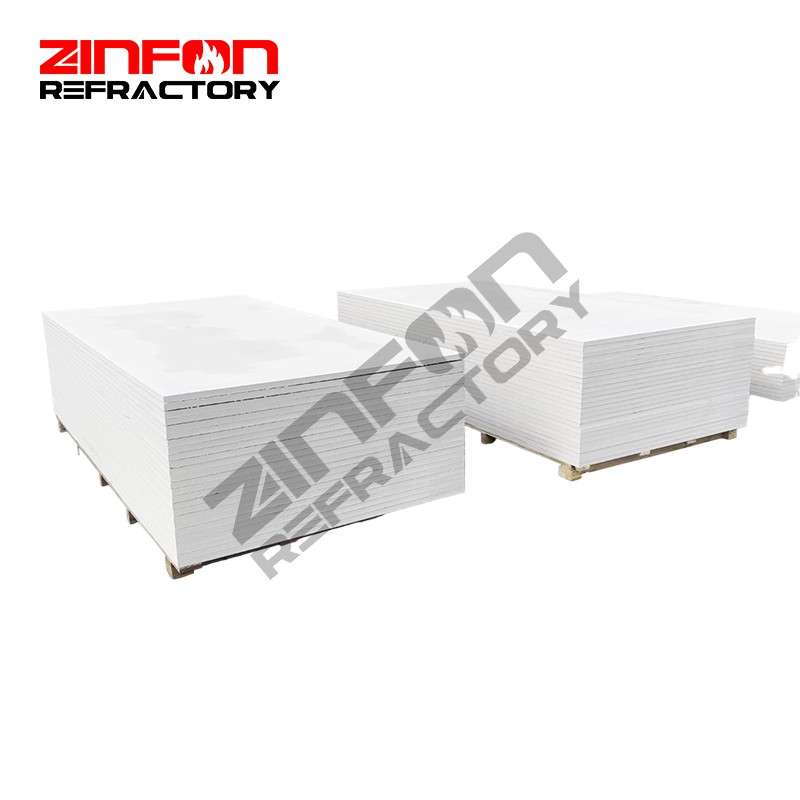

If you're in the market for high - quality ceramic fiber boards or have any questions about installation, don't hesitate to reach out. We're here to help you with all your ceramic fiber needs. Check out our Ceramic Fiber Board product page for more information and to start your procurement process. Let's work together to find the best solutions for your insulation requirements!
References
- Manufacturer's instructions for ceramic fiber boards and related products.
- Industry standards for insulation installation.