

As a supplier of Ceramic Fiber Paper, one question that frequently arises from our customers is whether our product is resistant to high - pressure steam. In this blog, we'll delve into the properties of Ceramic Fiber Paper and analyze its performance under high - pressure steam conditions.
Understanding Ceramic Fiber Paper
Ceramic Fiber Paper is a lightweight, flexible, and highly insulating material. It is made from ceramic fibers that are combined with binders and formed into a paper - like sheet. This material has excellent thermal insulation properties, low thermal conductivity, and good chemical stability. It is widely used in various industries, including metallurgy, glass, ceramics, and power generation, for applications such as insulation, gasketing, and lining.
High - Pressure Steam: A Challenging Environment
High - pressure steam is a harsh environment for many materials. The combination of high temperature, high pressure, and the corrosive nature of steam can cause significant damage to materials over time. When a material is exposed to high - pressure steam, it may experience issues such as corrosion, degradation, loss of mechanical strength, and reduced insulation performance.
Resistance of Ceramic Fiber Paper to High - Pressure Steam
Chemical Stability
One of the key factors in determining a material's resistance to high - pressure steam is its chemical stability. Ceramic Fiber Paper is composed mainly of inorganic ceramic fibers, which have good chemical resistance. These fibers are not easily corroded by steam or the chemicals that may be present in it. Under normal high - pressure steam conditions, the ceramic fibers in the paper can maintain their chemical structure, which helps to preserve the integrity of the material.
Thermal Resistance
High - pressure steam is often associated with high temperatures. Ceramic Fiber Paper has excellent thermal resistance, withstanding temperatures up to 1260°C (2300°F) or even higher depending on the grade. This high - temperature resistance allows the paper to maintain its physical and mechanical properties when exposed to high - pressure steam at elevated temperatures. The low thermal conductivity of the paper also helps to prevent heat transfer, which is beneficial in applications where thermal insulation is required.
Mechanical Strength
Although Ceramic Fiber Paper is a relatively lightweight and flexible material, it has sufficient mechanical strength to withstand the pressure exerted by high - pressure steam. The fibers in the paper are intertwined, creating a strong network structure. This structure can resist the forces generated by the flowing steam and prevent the paper from being easily damaged or deformed.
Moisture Resistance
Moisture is a major component of steam. Ceramic Fiber Paper has some degree of moisture resistance. However, it should be noted that prolonged exposure to high - humidity steam may cause some moisture absorption. If the paper absorbs too much moisture, its insulation performance may be affected, and it may become more vulnerable to mechanical damage. To mitigate this issue, some types of Ceramic Fiber Paper can be treated with water - repellent coatings or additives to improve their moisture resistance.
Applications in High - Pressure Steam Environments
Given its resistance to high - pressure steam, Ceramic Fiber Paper has a wide range of applications in industries where such environments are common.
Power Generation
In power plants, especially in steam turbines and boilers, Ceramic Fiber Paper can be used as insulation material. It helps to reduce heat loss, improve energy efficiency, and protect the surrounding equipment from high - temperature and high - pressure steam. For example, it can be used as gaskets between flanges to prevent steam leakage and as linings for steam pipes to insulate them.
Chemical Processing
In chemical plants, high - pressure steam is often used in various processes. Ceramic Fiber Paper can be used in reactors, heat exchangers, and other equipment that is exposed to high - pressure steam. Its chemical stability and thermal resistance make it suitable for these applications, ensuring the safe and efficient operation of the equipment.
Comparison with Other Materials
When considering materials for high - pressure steam applications, it's useful to compare Ceramic Fiber Paper with other common materials.
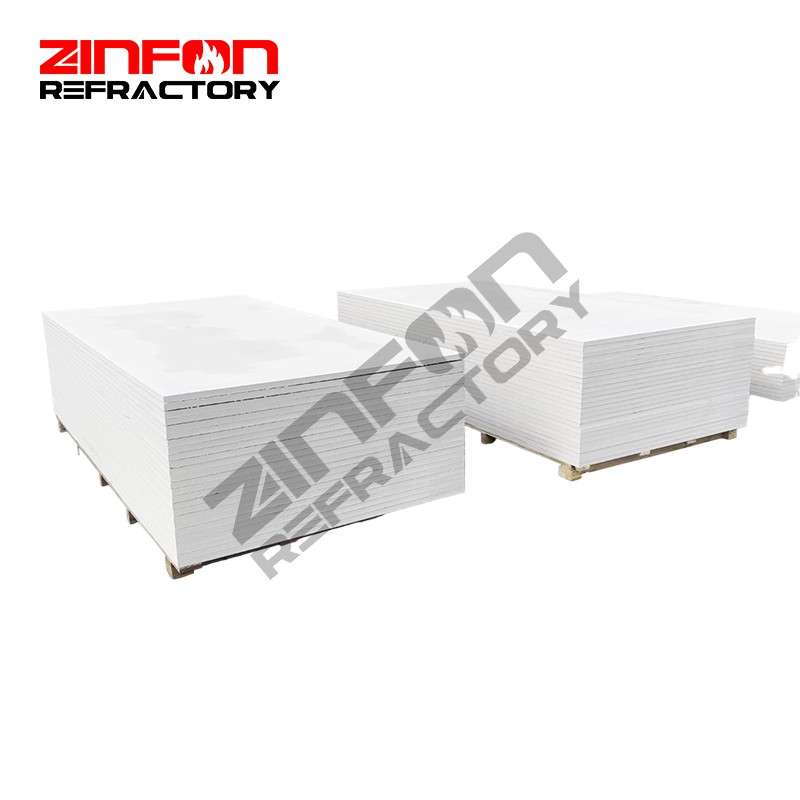
Calcium Silicate Board
Calcium Silicate Board is another popular insulation material. While it also has good thermal insulation properties, it may not be as flexible as Ceramic Fiber Paper. In some applications where a tight fit or conformability is required, Ceramic Fiber Paper may be a better choice. Additionally, Ceramic Fiber Paper generally has a higher temperature resistance than Calcium Silicate Board.
Ceramic Fiber Rope
Ceramic Fiber Rope is often used for sealing applications in high - temperature environments. Compared to Ceramic Fiber Rope, Ceramic Fiber Paper has a more uniform structure and can provide better surface coverage. It is also easier to cut and shape, which makes it more suitable for applications where precise insulation is needed.
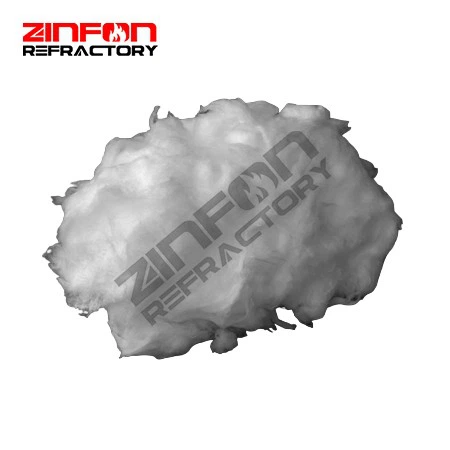
Ceramic Fiber Cotton
Ceramic Fiber Cotton is a loose - filled insulation material. Ceramic Fiber Paper, on the other hand, is a more consolidated and self - supporting material. This makes it easier to install and use in applications where a more rigid insulation layer is required.
Conclusion
In conclusion, Ceramic Fiber Paper shows good resistance to high - pressure steam due to its chemical stability, thermal resistance, mechanical strength, and some degree of moisture resistance. It is a versatile material that can be used in a variety of high - pressure steam applications in different industries.
If you are in need of a reliable insulation material for high - pressure steam environments, our Ceramic Fiber Paper could be an excellent choice. We offer a wide range of grades and specifications to meet your specific requirements. Contact us to discuss your needs and start a procurement negotiation. We are committed to providing you with high - quality products and professional service.
References
- "Handbook of Thermal Insulation Materials", John Wiley & Sons
- "Ceramic Fibers: Properties, Processing, and Applications", Elsevier