


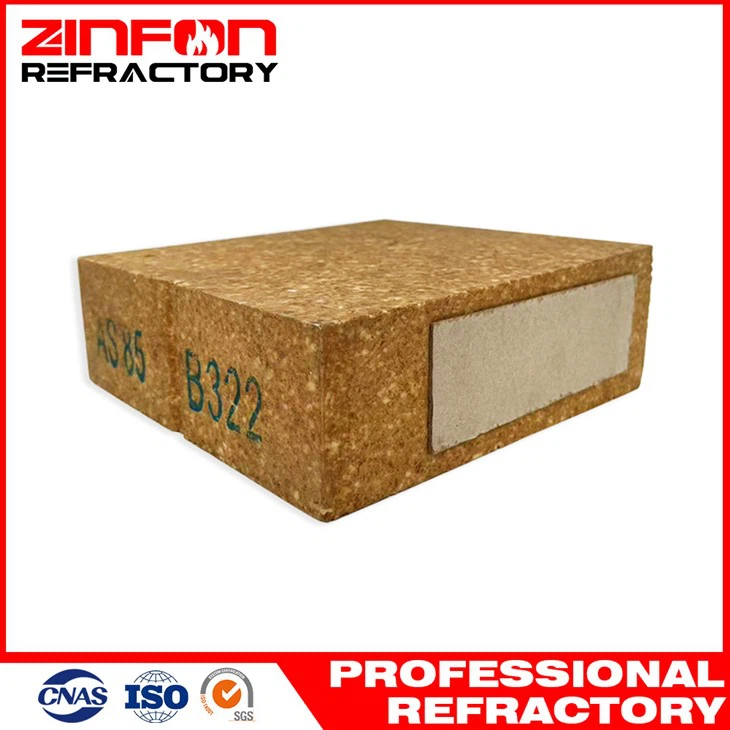


Applications of ZINFON Magnesia‑Alumina Spinel Bricks
Cement Industry
Cement rotary kiln: transition zone, burning zone, kiln inlet, and kiln outlet
Lime kiln: burning zone, upper transition zone
Iron and Steel Industry
Ladle: working lining, permanent lining, and areas below the slag line
Refining furnace: snorkels of RH/VD vacuum furnaces, bottom troughs
Electric arc furnace: roof, sidewalls, bottom
Glass Industry
Glass melting furnace: regenerator checker packing, upper high-temperature zone
Non-ferrous Metal Smelting
Smelting furnaces, flash furnaces, and refining furnaces for copper, nickel, lead, and zinc
Why Choose Magnesia‑Alumina Spinel Bricks?
Cement Industry:This material replaces traditional magnesia-chrome bricks to avoid chromium pollution. With excellent coating adhesion and thermal shock resistance, it can effectively withstand high temperatures, alkali corrosion, and material scouring inside the kiln, thereby prolonging the service life of the kiln lining and reducing the frequency of maintenance shutdowns.
Iron and Steel Industry:The material can absorb components such as FeO and CaO from slag to form high-melting-point compounds, thereby improving resistance to slag penetration and corrosion. This ensures molten steel purity, extends ladle service life, and maintains structural stability of the furnace.
Glass Industry:It resists thermal shock and chemical corrosion from high-temperature molten glass, maintains the sealing and stability of the melting furnace, and reduces molten glass leakage and furnace damage.
Non-ferrous Metal Smelting:The material resists high temperatures, corrosive gases, and molten slag erosion during the smelting process, ensuring stable furnace operation.
Physical and Chemical Specifications
|
Type |
YXMJ-75A |
YXMJ-75B |
YXMJ-80 |
YXMJ-85A |
YXMJ-85B |
YXMJ-93A |
YXMJ-93B |
YXMJ-95A |
YXMJ-95B |
|
MgO % |
75 |
75 |
80 |
85 |
82 |
88 |
85 |
93 |
90 |
|
Al2O3 % |
13 |
13 |
9 |
9 |
9 |
5 |
5 |
3 |
3 |
|
SiO2 % |
0 .8 |
1 .2 |
1 .5 |
0 .8 |
2 .5 |
1 .0 |
2 |
1 .0 |
2 .5 |
|
Apparent Porosity(%) ≤ |
17 |
17 |
17 |
16 |
17 |
16 |
17 |
16 |
17 |
|
Bulk Density (g/cm3) ≥ |
2 .95 |
2 .95 |
2 .95 |
2 .95 |
2 .95 |
2 .95 |
2 .95 |
2 .95 |
2 .95 |
|
Cold Crushing Strength (Mpa) > |
45 |
45 |
45 |
45 |
40 |
45 |
40 |
45 |
40 |
|
Refractoriness Under Load (T6.0,9) > |
1700 |
1700 |
1700 |
1700 |
1700 |
1700 |
1700 |
1700 |
1700 |
|
Thermal Shock Resistance (1100℃-Water Cooling) (times) > |
10 |
10 |
10 |
12 |
10 |
12 |
10 |
12 |
10 |
|
Thermal Conductivity (W/m.K) |
2 .85 |
2 .80 |
2 .9 |
3 .0 |
2 .9 |
3 .0 |
3 .0 |
3 .0 |
3 .0 |
Advantage
High Temperature Resistance
High Refractoriness: The refractoriness is generally above 1790 °C and can reach up to 1850 °C, making it capable of withstanding the extreme high-temperature environments found in kilns used in metallurgy, cement, glass, and other industries (such as blast furnaces and rotary kilns).
High Load Softening Temperature: Under a load of 0.2 MPa, the deformation onset temperature (load softening temperature) is typically ≥1600 °C, significantly higher than that of ordinary clay bricks (1300–1400 °C) and high-alumina bricks (1500–1600 °C). This makes it suitable for long-term, high-temperature load-bearing conditions.
Thermal Shock Resistance
Thermal shock resistance is one of its core strengths. Thanks to the dense crystal structure and moderate thermal expansion coefficient of magnesium-aluminum spinel (approximately 7–8 × 10⁻⁶ / °C), it can effectively resist rapid temperature fluctuations during kiln heating and cooling.
In tests, it withstood over 30 cycles in a 1100 °C air-cooling cycle experiment without cracking or spalling-far superior to ordinary magnesia bricks, which typically endure only 10–15 cycles. This makes it ideal for intermittent operations or equipment with frequent temperature variations (e.g., glass melting kilns).
Resistance to Erosion
Slag Resistance: Exhibits strong resistance to iron and steel slag in the metallurgical industry, as well as clinker slag (containing CaO, SiO₂, etc.) in the cement industry. The spinel phase can form stable solid solutions with slag oxides, preventing penetration into the brick body.
Chemical Resistance: Offers good resistance to both acidic and alkaline media-especially in sulfur-containing environments (e.g., SOx from heavy oil fuels) and alkali-rich atmospheres (e.g., K₂O, Na₂O in cement kilns). Corrosion resistance is 30%–50% higher than that of ordinary high-alumina bricks.
Mechanical Strength
The compressive strength at room temperature is generally ≥150 MPa, with some high-end products exceeding 200 MPa. The bricks are dense and durable, with strong resistance to mechanical impact and abrasion, making them suitable for long-term kiln lining applications.
Volume Stability
Volume change at high temperatures is minimal. The reheating linear change rate is typically controlled within ±0.5% (under 1600 °C × 3h conditions), helping reduce cracking or structural loosening caused by thermal cycling, and ensuring the long-term integrity of the kiln lining.
Anti-Penetration
The brick has a dense structure and low porosity (usually ≤15%), effectively preventing the penetration of molten metal, slag, or flue gas. This reduces the risk of lining erosion or "melt-through," extending the service life of the equipment.
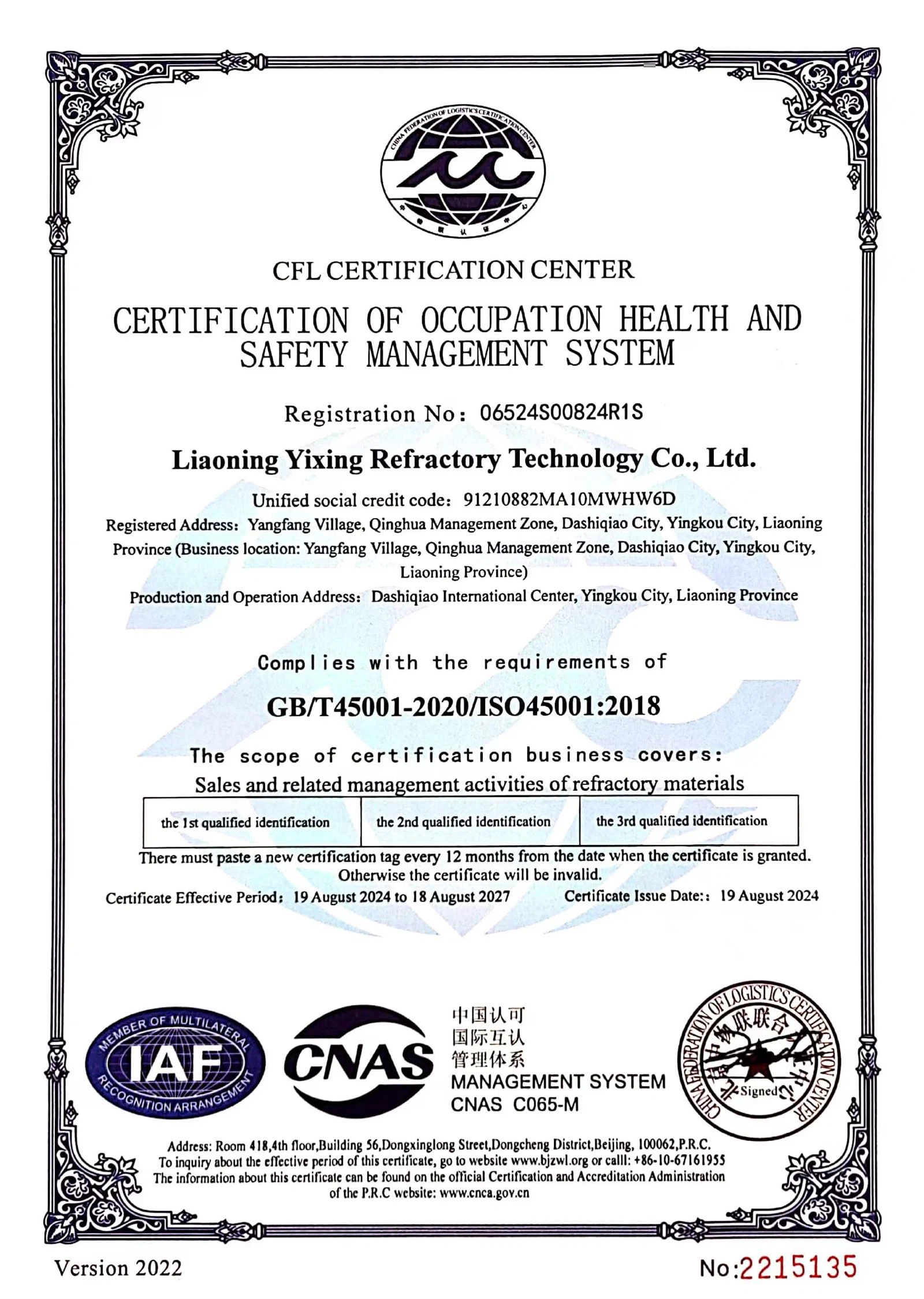
ISO Certification
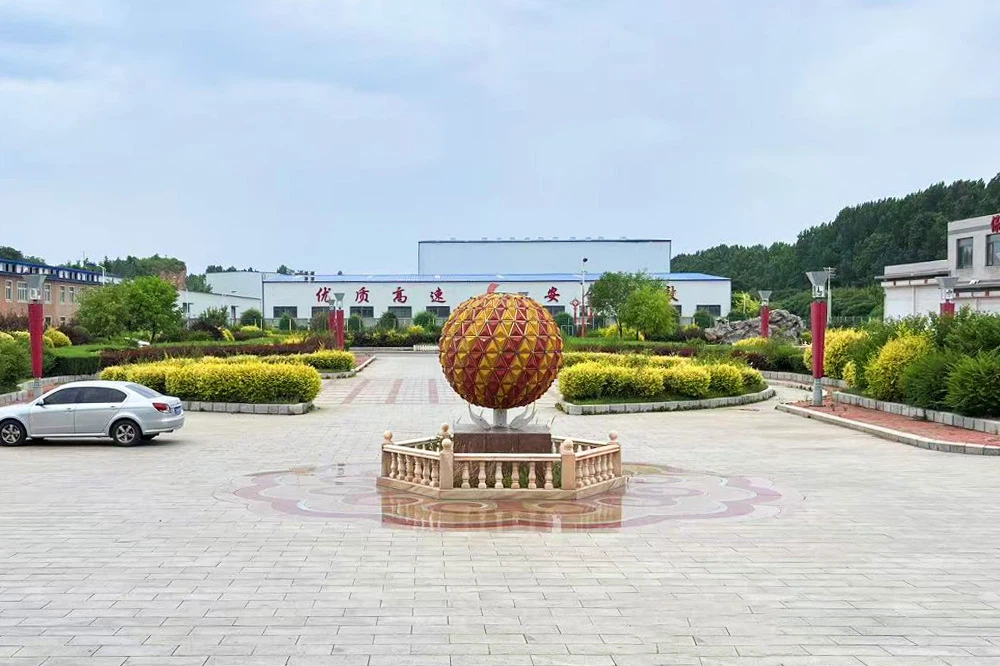
Liaoning Yixing Refractory Technology Co.,Ltd. is the manufacturing plant of ZINFON magnesia‑alumina spinel bricks.
ZINFON is authorized to use the certifications of Liaoning Yixing.


Processes



Key Use and Maintenance Considerations
1.Installation and Operation
Bricklaying: Dry or wet masonry, joint width 1–2 mm; use phosphate or high-temp cement for bond strength.
Expansion Joints: Reserve 3–5 mm joints (2–3 per meter) to accommodate thermal expansion.
Preheating: Heat gradually (≤150°C/h), hold at max temp for 24–48 hours to ensure proper sintering.
2. Chemical Erosion Prevention
Slag Suitability: Strong resistance to CaO-SiO₂-Al₂O₃ slags. For Fe₂O₃ > 15%, use with antioxidants.
Atmosphere Control: Avoid long exposure to reducing environments to prevent spinel decomposition.
3.Optimizing Thermal Shock Stability
Gradient Design: Use dense outer layers and porous inner layers to relieve thermal stress.
Anchors: Use high-temp alloy anchors (e.g., Inconel 600) to minimize stress transfer.
4. Lifecycle Management
Regular Inspection: Use infrared thermography to monitor surface temperatures; hotspots indicate damage.
Localized Repairs: Use ceramic welding for spalling areas.
Replacement Cycle: Cement kiln firing zone ~2–3 years; glass furnaces >5 years.
Why choose us?
Direct factory supply eliminates middleman markups.
The factory is located in Yingkou, Liaoning, China, where lower raw material procurement costs enable more competitive product pricing.
With over 20 years of experience in manufacturing, own factory and welcome customers to conduct on-site inspections at their convenience.
Custom sizes and packaging are available to meet your specific requirements.
Professional technical support is provided to ensure reliable after-sales service.
We're here for you
Professional service available whenever you need it.
Our customer service is always online to answer your questions and offer technical support.
Hot Tags: magnesia alumina spinel brick, China magnesia alumina spinel brick manufacturers, suppliers, factory, magnesium aluminate spinel, Magnesia Alumina Chrome Spinel Brick, Refractory for Zinc oxide rotary kiln, Calcining Zone of Cement Rotary Kiln, Cement Rotary Kiln Firing Zone, spinel refractory