





Introduction
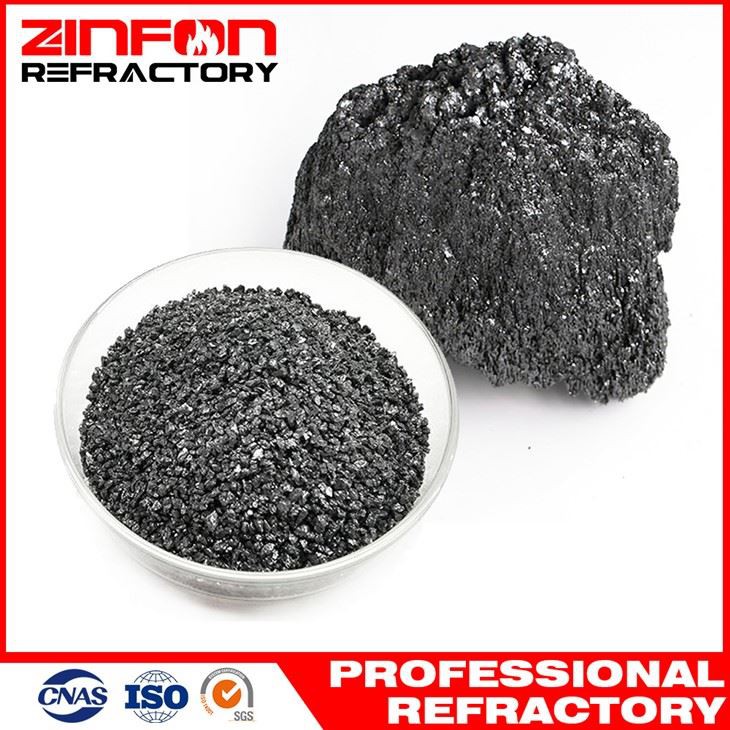
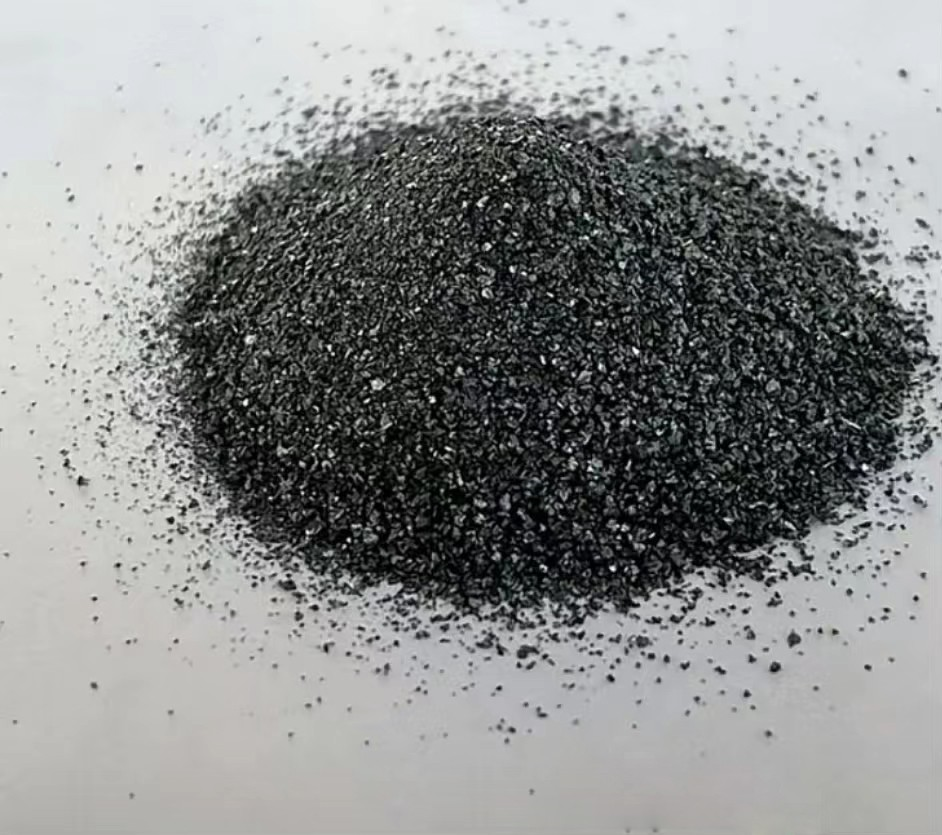
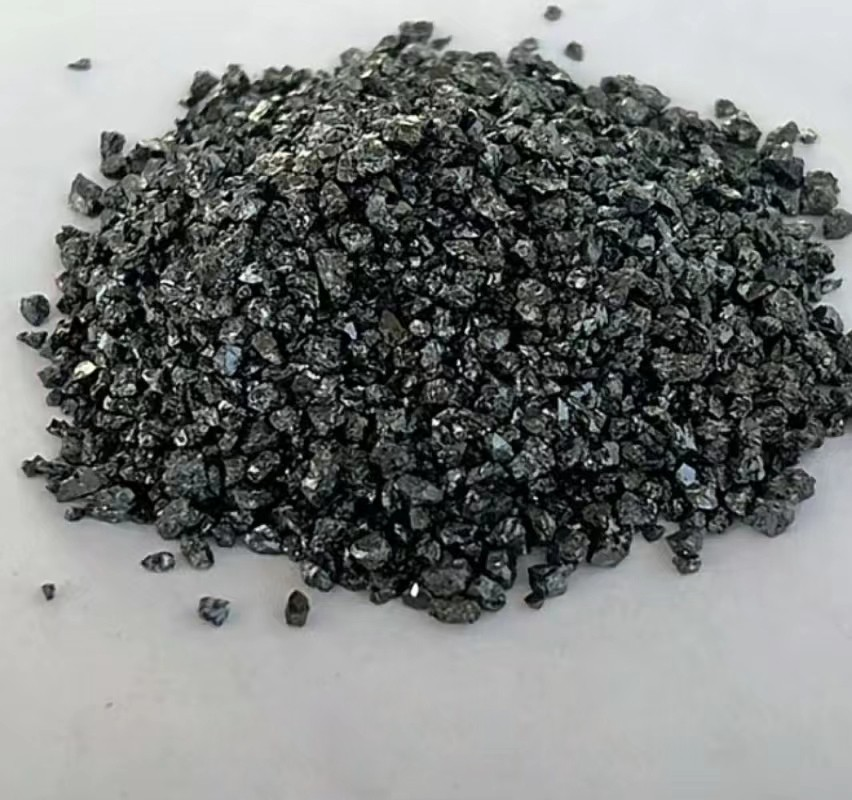
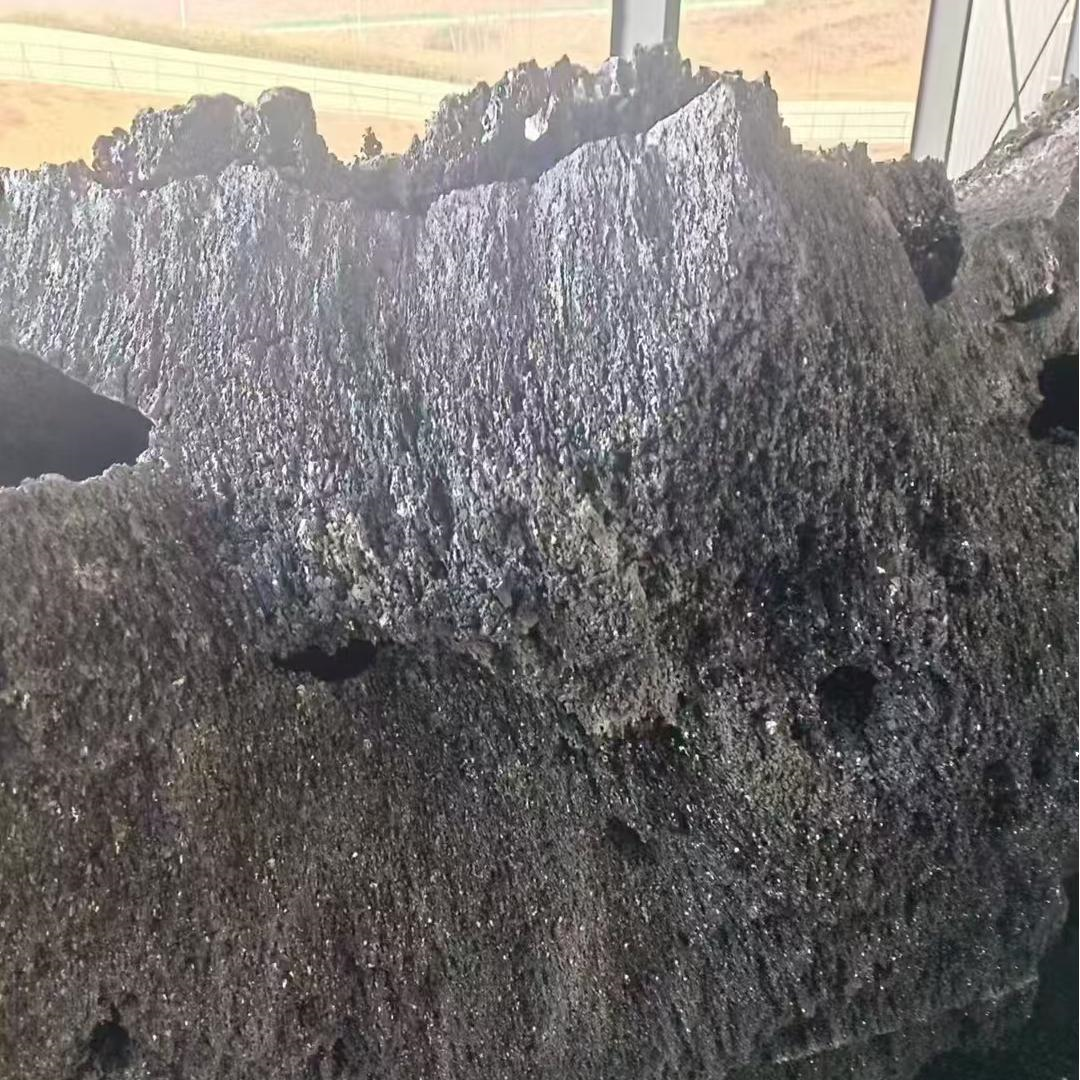
Silicon carbide is a non-metallic mineral produced at temperatures above 1800 °C, using quartz sand (SiO₂) and petroleum coke (C) as the basic raw materials. It has high hardness, a low coefficient of thermal expansion, brittleness, and excellent thermal conductivity.
Due to these properties, silicon carbide is widely used in a variety of fields, including abrasives, electronic products, refractory materials, special ceramics, foam ceramics, coatings, and plastic modification. It also finds applications in automotive parts, military and aerospace industries, steelmaking, and as a deoxidizer.
performances
| Performance Indicators | Parameter Range | Characteristic Analysis |
|---|---|---|
| Melting Point | 2700℃ (sublimation) | Higher than most refractory materials, suitable for ultra-high-temperature environments (e.g., blast furnaces, ceramic kilns). |
| Bulk Density | 3.0-3.2 g/cm³ | High density, excellent strength and wear resistance. |
| Thermal Conductivity | 20-40 W/(m·K) (at 200℃) | Far higher than traditional refractory materials (e.g., corundum, clay), with fast heat dissipation and outstanding thermal shock resistance. |
| Flexural Strength | 200-500 MPa (at room temperature) | Slow attenuation of strength at high temperatures, maintaining high strength at 1400℃. |
| Chemical Stability | Extremely strong resistance to acidic slag, moderate resistance to alkaline slag (reacts with alkaline substances like Na₂O at high temperatures). | Resistant to corrosion by HF and high-temperature gases (e.g., CO, H₂), but should avoid direct contact with strong oxidants. |
| Thermal Shock Resistance | No cracking after 300-800℃ temperature difference cycles | Low thermal expansion coefficient (4.5×10⁻⁶/℃), combined with high thermal conductivity, suitable for working conditions with severe temperature fluctuations. |
Physical And Chemical Specifications
| Crystal Form | Hexagonal Crystal of Silicon Carbide | ||
| Density (g/cm³) | 3.20 | ||
| Hardness | Mohs 9.5 | ||
| Color | Black | ||
|
Chemical Composition |
SiC |
iCF . C . |
Fe203 |
|
F12-F220 |
98%Min |
0.3%Max |
0.5%Max |
|
F12-F90 |
≥98.50 |
<0.20 |
0.5%Max |
|
F100-F150 |
≥98.00 |
<0.30 |
0.6%Max |
|
F180-F220 |
≥97.00 |
<0.30 |
0.65%Max |
|
F230-F400 |
≥96.00 |
<0.40 |
0.65%Max |
|
F500-F800 |
≥95.00 |
<0.40 |
0.70%Max |
|
F1000-F1200 |
≥93.00 |
<0.50 |
0.80%Max |
|
P12-P90 |
≥98.50 |
<0.20 |
0.5%Max |
|
P100-P150 |
≥98.00 |
<0.30 |
0.5%Max |
|
P180-P220 |
≥97.00 |
<0.30 |
0.65%Max |
|
P230-P500 |
≥96.00 |
<0.40 |
0.65%Max |
|
P600-P1500 |
≥95.00 |
<0.40 |
0.70%Max |
|
P2000-P2500 |
≥93.00 |
<0.50 |
0.80%Max |
Specification
|
Particle Size |
0-1mm 1-3mm 3-5mm 5-8mm |
|
Micronized Powder |
F500, F2500, -100mesh -200mesh -320mesh |
|
Granular Sand |
8# 10# 12# 14# 16#20# 22# 24# 30# 36# 46# 54# 60# 80# 100# 120# 150# 180# 220# |
|
Micronized powder (standard) |
W63 W50 W40 W28 W20 W14 W10 W7 W5 W3.5 W2.5 |
|
JIS |
240# 280# 320# 360# 400# 500# 600# 700# 800# 1000# 1200# 1500# 2000# 2500# 3000# 4000# 6000# |
|
FEPA |
F230 F240 F280 F320 F360 F400 F500 F600 F800 F1000 F1200 F1500 |
Production Process
Synthesis Methods
High-Temperature Sintering Method:
Quartz sand and petroleum coke are used as raw materials. Silicon carbide (SiC) is produced through a reaction in a resistance furnace at a high temperature of 2,000–2,200 °C. The resulting material is then crushed and purified to obtain SiC particles or powder.
Vapor Phase Deposition Method:
High-purity SiC is produced by a gas-phase reaction between silicon tetrachloride (SiCl₄) and methane (CH₄) at elevated temperatures. This method is commonly used to produce high-performance ceramic coatings or ultrafine powders.
Binding Methods (in Refractories)
Clay Bonding:Clay is used as the binder. After molding and drying, the product is suitable for low- and medium-temperature refractory applications.
Oxide Bonding:Oxides such as Al₂O₃ and SiO₂ react with SiC to form bonding phases like mullite and glassy phases, which enhance product strength.
Self-Bonding:Bonding is achieved through solid-phase or liquid-phase sintering of SiC particles at high temperatures, resulting in dense, high-strength products.
Nitride Bonding:A silicon nitride (Si₃N₄) bonding phase is formed through the reaction between silicon (Si) and nitrogen (N₂), producing nitride-bonded silicon carbide (N-SiC) with excellent erosion resistance.
Application
(1) Silicon Carbide for Refractory Materials
During the production and processing of black silicon carbide, a significant amount of material with a purity below 90%-commonly referred to as "low-silicon" black silicon carbide-is generated. This lower-purity silicon carbide is widely used in the refractory and steelmaking industries, particularly in applications such as deoxidizers, gun clay, casting materials, and iron trench materials.
Our company supplies a variety of silicon carbide specifications throughout the year, with available purity grades including: 98%, 95%, 90%, 88%, 85%, 80%, 75%, 70%, 65%, 60%, 55%, 50%, 45%, and 40%. Particle sizes can be customized according to customer requirements. Standard size ranges include 0–1 mm, 0–50 mm, 1–10 mm, and 100–400 mesh.
(2) Silicon Carbide for Steel Deoxidation and Casting
Silicon carbide is a compound of carbon and silicon, primarily bonded by covalent bonds, and is classified as a non-oxidizing material. However, it becomes significantly unstable when exposed to high temperatures in oxidizing environments-especially above 1627 °C, where oxidation occurs rapidly. Leveraging this property in steelmaking helps reduce production costs and has shown effective results.
The most commonly used grades range from 80% to 95% purity, with particle sizes of 0–10 mm, 0–5 mm, 1–3 mm, and 1–5 mm. The 1–5 mm size is particularly popular for casting applications.
7*24 hours online response
Provide professional after-sales protection
Our address
Qinghua Management Dist., Dashiqiao City, Yingkou City, Liaoning, China
Phone Number
+8613700131695
+8618540210631
info@zinfon-refractory.com

Hot Tags: silicon carbide, China silicon carbide manufacturers, suppliers, factory, Refractory Binder, Refractory admixture Carbon Black, refractory raw material, Refractory Binder Lafarge Cement, refractory raw material for silo, Refractory Binder High Alumina Cement