




introduction
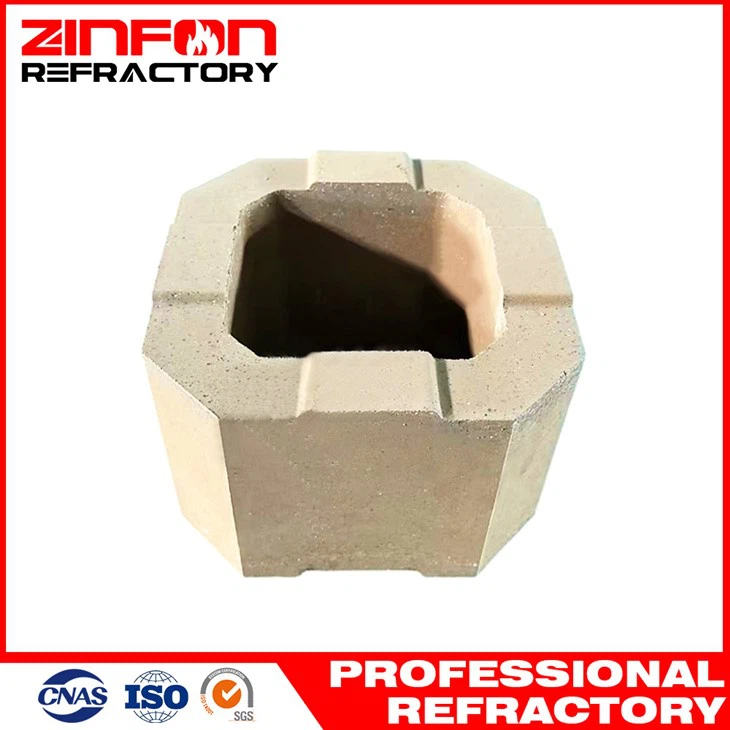
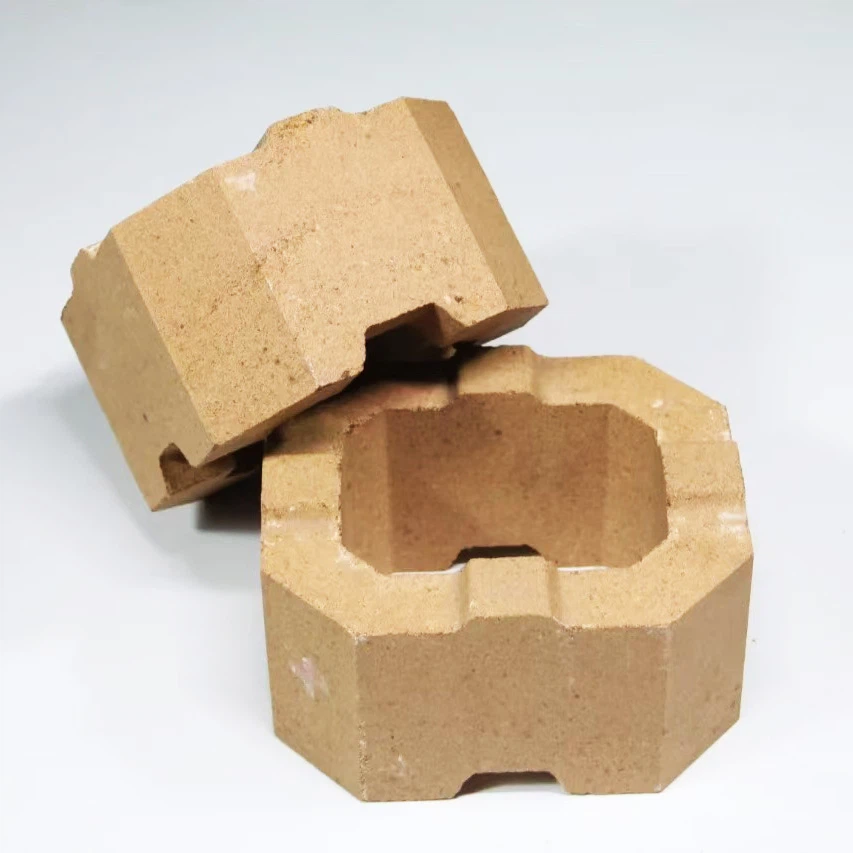
Magnesia-zirconia bricks are high-performance refractory materials composed of high-purity electrofused magnesia and synthetic zirconia sand. After high-pressure molding and high-temperature firing, these bricks exhibit excellent corrosion resistance to alkali metals, oxides, and sulfides. They possess a bulk density exceeding 3.08 g/cm³ and are resistant to alkaline corrosive atmospheres and alkaline slag corrosion. Consequently, they are widely used in glass melting furnaces, heat storage chambers, cement kilns, steelmaking furnaces, and non-ferrous metal smelting.
Advantage
Refractoriness: Withstands temperatures up to 1750°C (3182°F).
Thermal Shock Resistance: Survives rapid temperature changes (e.g., quenching from 1600°C to ambient).
Low Thermal Expansion: Minimizes stress cracks during thermal cycling.
Anti-Slag & Corrosion Resistance: Zirconia enhances protection against acidic/alkaline slag and molten metal penetration.
Long Service Life: Offers 2–3 times longer lifespan than standard magnesia-carbon bricks, reducing maintenance frequency and replacement costs.
Ideal for Critical Equipment: Suitable for applications where downtime is costly.
Zinfon Refractory Technology Co.,Ltd.
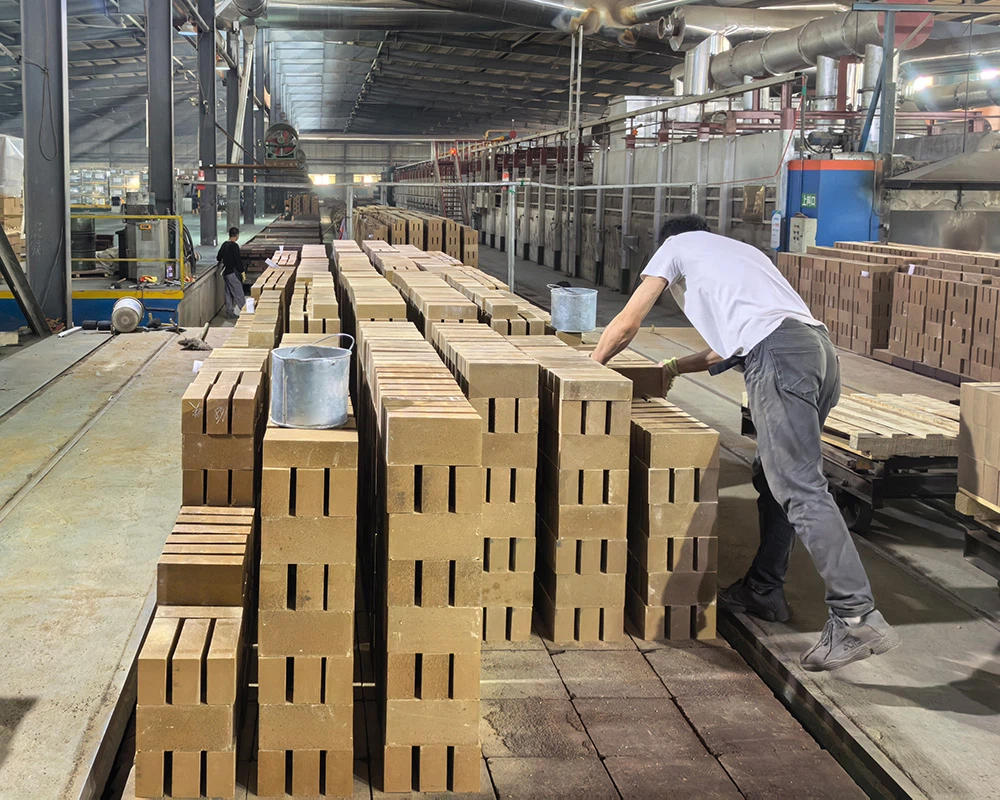
We provide one-stop services from technical consultation to design, production, and after-sales support.
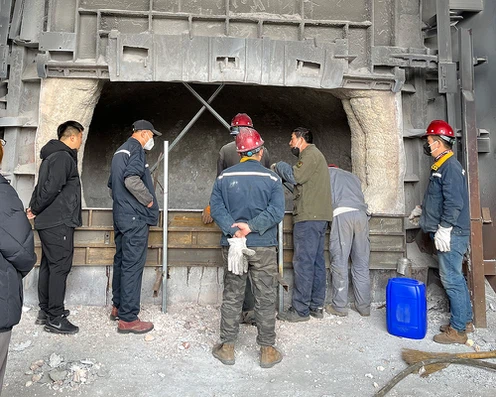
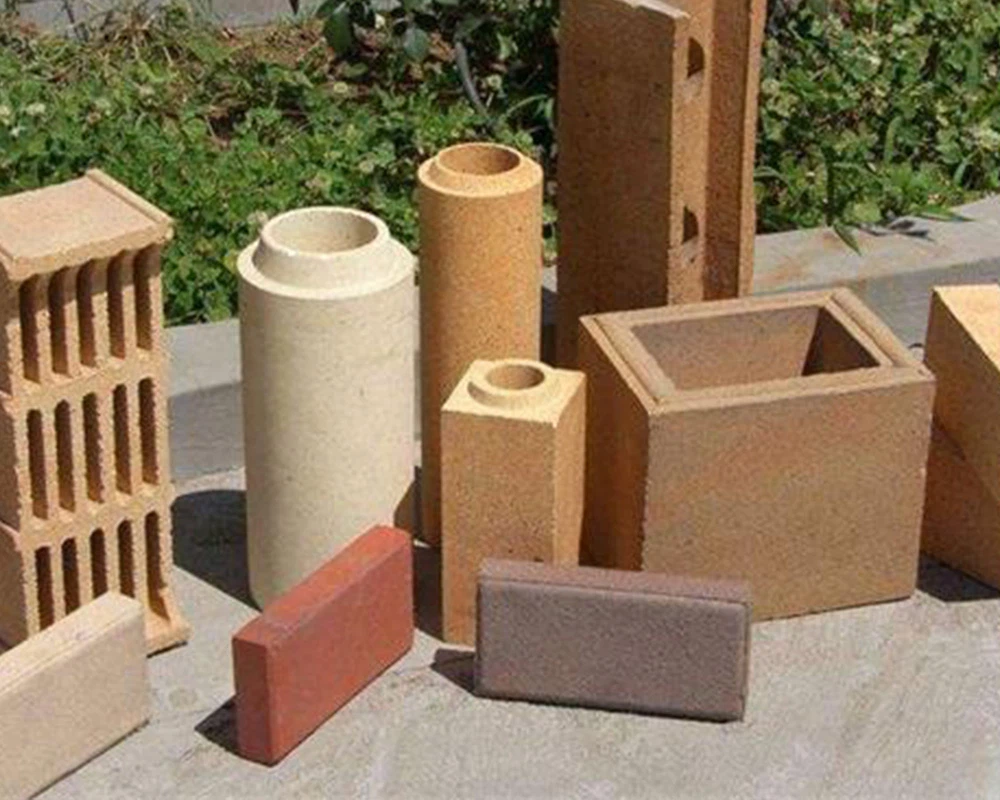
Raw Materials:
Magnesium Oxide (MgO): ≥98% purity, ensuring thermal stability and resistance to basic slag.
Zirconium Dioxide (ZrO₂): ≥95% purity, stabilized with CaO or Y₂O₃, enhancing slag resistance and thermal shock resistance.
Physical and Chemical Specifications
|
Item |
Specification |
||
|
YXMZ8 |
YXMZ10 |
YXMZ13 |
|
|
MgO % |
≥80 |
≥75 |
≥70 |
|
ZrO2 % |
≥8 |
≥10 |
≥13 |
|
Apparent Porosity, % |
≤19 |
≤18 |
≤18 |
|
Bulk Density,g/cm3 |
≥2.95 |
≥3.0 |
≥3.05 |
|
CCS, MPa |
≥50 |
≥45 |
≥40 |
|
0.2MPa RUL ℃ |
≥1600 |
≥1550 |
≥1600 |
|
TSR, Cycle 950℃ Air |
≥10 |
≥10 |
≥10 |
process
Raw Material Preparation:
Mix powders with organic binders (e.g., phenolic resin) or phosphate binders to achieve green strength.
Granulate to ensure homogeneity and reduce voids.
Forming Process:
Isostatic Pressing: Applies uniform pressure for dense, crack-free bricks.
Vibration Compaction: For complex shapes or large dimensions.
Drying & Firing:
Drying: Gradual drying at 110–150°C for 24–48 hours to prevent internal stress cracks.
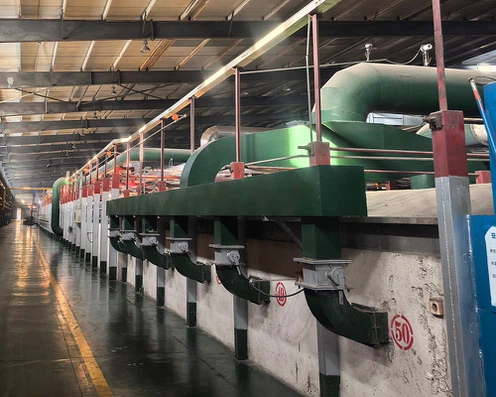
Firing: Sintering at 1550–1650°C in electric arc furnaces or gas-fired kilns.
Controlled Atmosphere: Reduce oxygen exposure to prevent zirconia phase transformations (e.g., monoclinic to tetragonal).
Quality Control:
Density Testing: Target bulk density ≥2.9 g/cm³ for minimal porosity.
Thermal Shock Testing: Quenching tests (e.g., from 1600°C to 20°C water) to verify resistance to cracking.
Slag Penetration Resistance: Simulate molten slag exposure to measure erosion rates.
Advanced Craftsmanship Techniques:
Zirconia Stabilization: Add 3–5% Y₂O₃ to stabilize cubic zirconia, preventing microcracks.
In-Situ Reaction Bonding: Combine MgO and ZrO₂ powders with a small amount of MgCl₂ to form strong Mg-Zr-O bonds during firing.
Precision Machining: CNC grinding for tight tolerances in critical applications (e.g., tundish nozzles).
|
Parameter |
Value |
|
Bulk Density |
≥2.9 g/cm³ |
|
Cold Crushing Strength |
≥50 MPa |
|
Thermal Conductivity |
1.5–2.0 W/(m·K) at 20°C |
|
Modulus of Rupture |
≥6 MPa (at 1200°C) |
Applications
|
Industry |
Use |
Benefits |
|
Steelmaking |
LF/VD/VOD ladles, tundish lining |
Slows erosion by molten steel and slag |
|
Non-Ferrous |
Aluminum reduction cells, copper converters |
Withstands molten metal splash corrosion |
|
Cement/Kilns |
Rotary kiln transitions zones |
Combats alkaline dust and thermal cycling |
types
I. Classification by composition
| Parameters | Pure magnesium-zirconium bricks | Stabilized magnesium-zirconium bricks | Composite magnesium-zirconium bricks |
| Bulk density (g/cm³) |
2.9-3.1 |
2.8-3.0 |
3.0-3.2 |
| Compressive strength (MPa) |
≥50 |
≥45 |
≥55 |
| Thermal shock stability (times) | 3-5 (1100°C water cooling) | 5-7 (1100°C water cooling) | 4-6 (1100°C water cooling) |
| Applicable temperature (℃) |
1600-1750 |
1500-1700 |
1400-1650 |
II. Classification by binding agent
Phosphate-Bonded Magnesium-Zirconia Bricks:
Binding Agent: Aluminum phosphate or magnesium phosphate.
Features: High strength in cold state, convenient construction. Stable performance at medium temperatures (300–1200°C).
Applications: Temporary repair of steel ladles, small and medium-sized kiln linings.
Resin-Bonded Magnesium-Zirconia Bricks:
Binding Agent: Phenolic resin or furan resin.
Features: Carbonization at high temperature to form a carbon bonding layer, excellent permeability resistance. Suitable for complex shape products (e.g., nozzles, slag walls).
Applications: Ladle spouts, refiner slag lines.
Metal-Bonded Magnesium-Zirconia Bricks:
Binding Agent: Cr₂O₃, SiC, and other metal oxides.
Features: Excellent resistance to oxidation and thermal shock.
Applications: Coke oven doors, blast furnace air vent areas.
III. Classification by application scenario
Magnesium-Zirconia Bricks for Steel Ladles:
Models: MZL-1 (high slag resistance type), MZL-2 (high wear resistance type).
Features: Surface sprayed with antioxidant coating to reduce steel penetration. Reserve 3–5mm expansion joint during masonry.
Cement Kiln Transition Zone Magnesium-Zirconia Bricks:
Model: MZ-KC (alkali erosion resistant type).
Features: Resistant to clinker alkaline dust (Na₂O, K₂O) erosion. Thermal shock stability ≥5 times (1100°C→normal temperature).
Magnesia-Zirconia Bricks for Glass Kiln Heat Storage Chambers
Model: MZ-G (High-Density and Low-Permeability Type)
Features:Porosity <18%, reducing the risk of glass liquid leakage.Resistant to acidic dust (e.g., mannite dust).
Recommendations for selection
Ladle lining: Prefer resin-bonded (for impermeability) or metal-bonded (for scour resistance) magnesia-zirconia bricks.
Cement kiln transition zone: Use stabilized magnesia-zirconia bricks (for alkali erosion resistance) or composite magnesia-zirconia bricks (for abrasion resistance).
Glass kiln heat storage chamber: Choose high-density, low-porosity pure magnesia-zirconia bricks (for anti-leakage performance).
Why chooes us?
Our research on the ZrO2 content in magnesia zirconia bricks shows that increasing the amount of zircon enhances properties like bulk density, compressive strength, load-softening temperature, and thermal shock resistance up to a certain point, after which these properties begin to decrease. The apparent porosity initially decreases and then increases. The optimal performance is achieved with a zircon content of 20% and a firing temperature of 1580°C. Magnesium-zirconium bricks with 20% zircon exhibit high load-softening temperatures and excellent erosion and thermal shock resistance, making them highly suitable for use in the grid bricks of glass furnace regenerators.
01/Customized dimensions and shapes
Customized shapes according to customer requirements
02/Delivery cycle and logistics
Sea freight, land freight,and so on.About 30 days, customized products delivery time depends on the actual situation.
03/Customized packaging
Logo customization, custom fonts, taglines and messages for packaging, signage, websites or printed materials.
04/Purchase Bricks at Reasonable Prices
Factory price
Low raw material cost
Mass production
By choosing ZINFON as your supplier, you can access high-quality refractory bricks, a wide range of other refractory materials, and comprehensive support. Contact ZINFON Refractories immediately to discuss your specific requirements and obtain customized solutions!
7*24 hours online response
Provide professional after-sales protection
Our address
Qinghua Management Dist., Dashiqiao City, Yingkou City, Liaoning, China
Phone Number
+8613700131695
+8618540210631
info@zinfon-refractory.com

Hot Tags: magnesia zirconia brick, China magnesia zirconia brick manufacturers, suppliers, factory, magnesia alumina carbon brick for ladle wall, Magnesia Carbon Brick for Steelmaking Ladle, Magnesia Carbon Brick for Steel Ladle Furnace, Magnesia Carbon Brick, magnesia brick price, Refractory for Glass kiln regenerator chamber